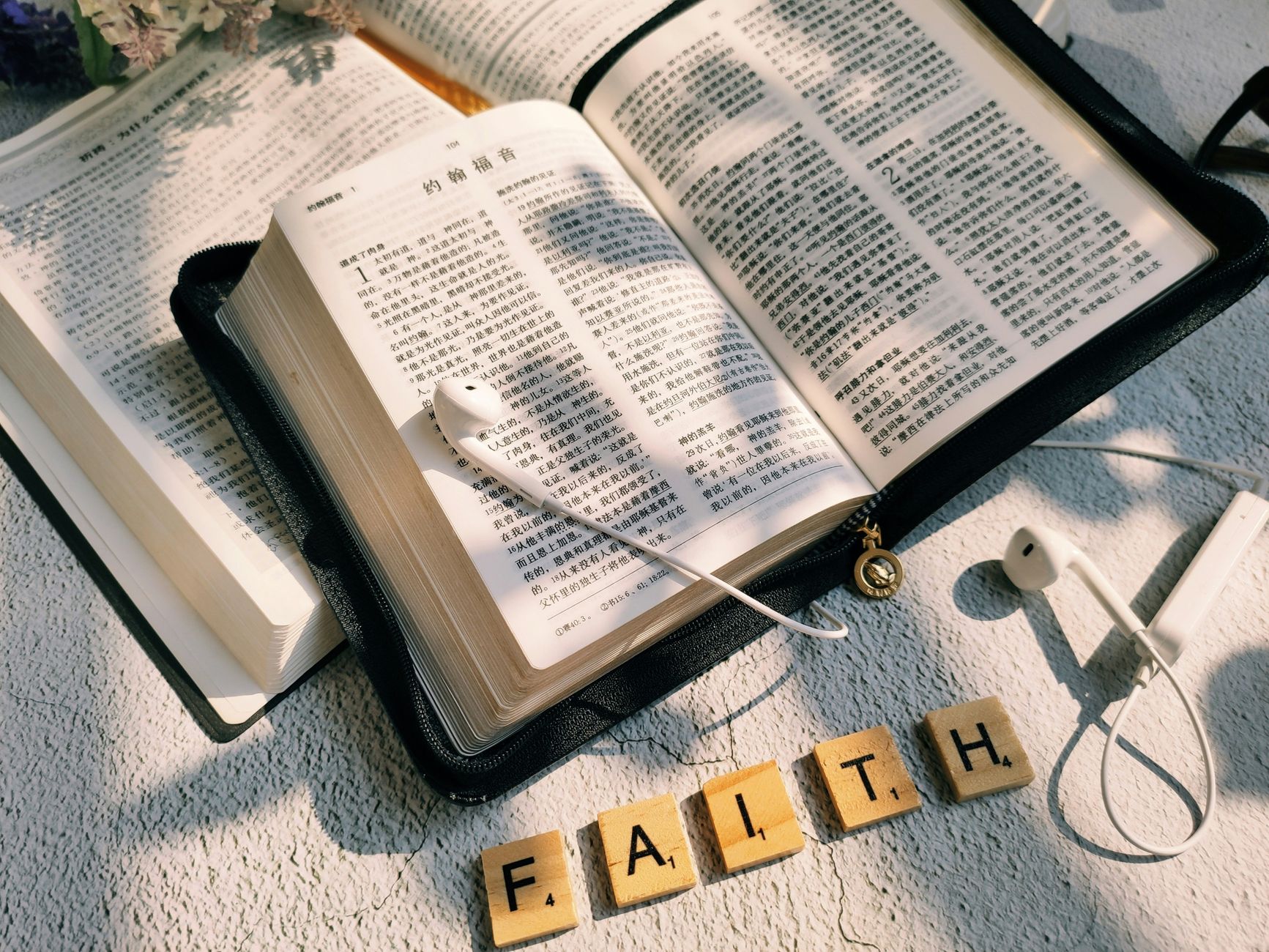
Picture a dusty field in ancient Israel. The sun is beating down on the back of a farmer who has spent months under its glare. His hands are cracked, raw, stained with earth that will never fully wash out. He stands in the golden wheat, looking at the sheer volume of grain he has gathered. It’s heavy. It’s overwhelming. And in that moment, before the harvest is even bagged, he lifts his hands and shouts a word to heaven. Not "thank you for the rain." Just thanks. Because he knows where this food came from.
We don’t have wheat fields most of the time. We have inboxes that overflow, children who need shoes by tomorrow morning, and bills that arrive with a terrifying precision. But the feeling is often the same. A mix of exhaustion and relief, followed by a strange, quiet silence where gratitude should be screaming.
Late summer is creeping in. The days are getting a little shorter, and the air feels different. It’s that time of year when we start to think about what we’ve accumulated, what we’ve missed, and what’s coming. It’s a natural season for looking back with gratitude, but honestly? Gratitude is often the first thing to go when life gets loud. We become consumers of blessings, not witnesses to them. And that shift changes everything about how we relate to God.
The Danger of Spiritual Amnesia
Here’s the hard truth: gratitude isn’t just a polite social nicety. In Scripture, it is a theological act of war against the lie that we are self-made.
The problem isn’t that we lack things to be thankful for. It’s that we’ve built a life where our eyes are glued to what’s missing, not what’s present. We scroll through social media comparing our "behind the scenes" to everyone else’s highlight reel, and we wonder why our hearts feel so hollow. We take the air in our lungs for granted until we’re out of breath, and then we remember it’s a gift.
God designed our hearts to recognize His hand in the ordinary. But we’ve trained ourselves to ignore it. We call this "normalcy bias." Once a blessing becomes routine, our spiritual radar shuts off.
I’ll be honest with you — I’ve struggled with this too. There was a season in my life where I read Psalm 107 and felt nothing. Just words on a page. I was going through the motions of prayer, checking boxes, but my heart had gone flat. I had become so focused on the next crisis that I forgot to count the ones God had already stopped me from facing.
That’s where the danger lies. When we stop giving thanks, we start taking ownership of what belongs to God. We begin to think our stability is due to our hustle, not His provision. And when the next storm hits — because it always does — we don’t just lose our peace; we lose our faith in His character. We think, If He’s so good, why is this happening? But we never paused to ask, How long has He been keeping me alive in the first place?
The Promise: A Heart That Remembers
God’s promise to us isn’t just that He will provide rain. It’s that He reshapes our inner life so we see the rain.
Look at what Jesus did when He was hungry. He didn’t just eat; He looked up and acknowledged the Source. In , we read: "And when he had taken the five loaves and the two fish, he looked up to heaven and gave thanks. And he broke the loaves and gave them to the disciples to set before the multitude."
That "looked up" is key. It’s a physical act of reorientation. Before the bread was broken, before the miracle happened, Jesus aligned His heart with heaven. He didn’t wait for the miracle to be grateful; He was grateful for the miracle because He knew who it came from. That gratitude preceded the abundance.
This is the promise: God doesn’t just give you things; He gives you eyes to see them.
Paul writes in , "Give thanks in all circumstances. For this is the will of God in Christ Jesus for you. Do not quench the Spirit."
Notice what Paul says gratitude does. It keeps the Holy Spirit moving. When we stop thanking, we quench Him. We clog the spiritual flow. Thankfulness is the lubricant for faith. It keeps our eyes on God’s goodness, which in turn fuels our trust in His future faithfulness.
It’s a simple mechanic, but it’s profound. You can’t trust God with your tomorrow if you don’t acknowledge Him for your yesterday.
Three Ways to live This Out (Without It Feeling Like a Chore)
So, how do we actually do this? We don’t need another app or a complicated ritual. We need to hack our own habits. Here are three concrete ways to let gratitude rewire your brain and your heart this season.
1. The "Receipt" Habit Think of gratitude as keeping a receipt for every gift God has given you. Not in a journal, necessarily — though that helps. But in your mind’s eye. When you drink morning coffee, pause for one second and say, internally or aloud, "Thank You." When your child laughs, catch that moment. Don’t let it slip by in the noise of logistics.
This sounds trivial, but our brains are pattern-matching machines. If you consistently pair a good thing with the word "thanks," you start to rewire your neural pathways. You begin to see God’s hand in the small stuff. And that changes your baseline for contentment. You stop waiting for a big breakthrough to feel blessed and start finding it in the Tuesday afternoon quiet.
2. Gratitude for the "No" This is harder. Most of us are only grateful for what we get. We’re great at saying "thank you" for the promotion, the health, the rain. But are we grateful for what God didn’t give us?
I used to read this verse and feel nothing, but now I see it differently. Think about the job that didn’t work out because of a toxic boss you’d have hated for two years. Think about the relationship that ended in pain but saved your soul from a slow burn.
In , Solomon asks for a discerning heart because he knows the scope of what’s coming. "And now, O my God, I am but a young child; I do not know how to go out or come in. And now, O my God, you are my God; give your servant therefore an understanding heart to judge your people, that I may distinguish between good and evil. For who is able to judge this great people of yours? And the thing pleased Solomon... and his heart was turned after him."
Solomon recognized that wisdom wasn’t just about gaining knowledge; it was about knowing which paths to walk and which to avoid. Be grateful for the boundaries God has set in your life. Be thankful for the doors He closed before you walked into them, burning your feet on the glass. That is a deep form of protection that only becomes visible with time.
3. Public Thanksgiving (The Counter-Intuitive Move) Gratitude tends to stay private. We write it in diaries; we whisper it in prayers. But Scripture shows us that thanksgiving is often communal and public.
When the Israelites entered the Promised Land, they were commanded to offer first fruits. It wasn’t a private transaction; it was a public declaration of dependence.
Try this: Share one specific thing God did for you this week with someone else. Not in a vague, spiritual way. Be specific. "God gave me the courage to have that conversation with my sister." Or "I was so anxious about money, but a friend who didn't know I needed it sent me gas money."
When you speak gratitude out loud to another human being, it anchors it in reality. It stops being a feeling and becomes a fact. And it invites others into your story of faith, which builds community in ways that solitary prayer sometimes can’t.
A Quiet Closing
The sun is setting earlier now. The light changes, getting softer, more golden. It’s a reminder that seasons shift. Things change. What was abundant in spring might be scarce by winter; what felt like a desert might bloom again next year.
But God’s character doesn’t shift with the seasons. He is faithful in the harvest and in the drought.
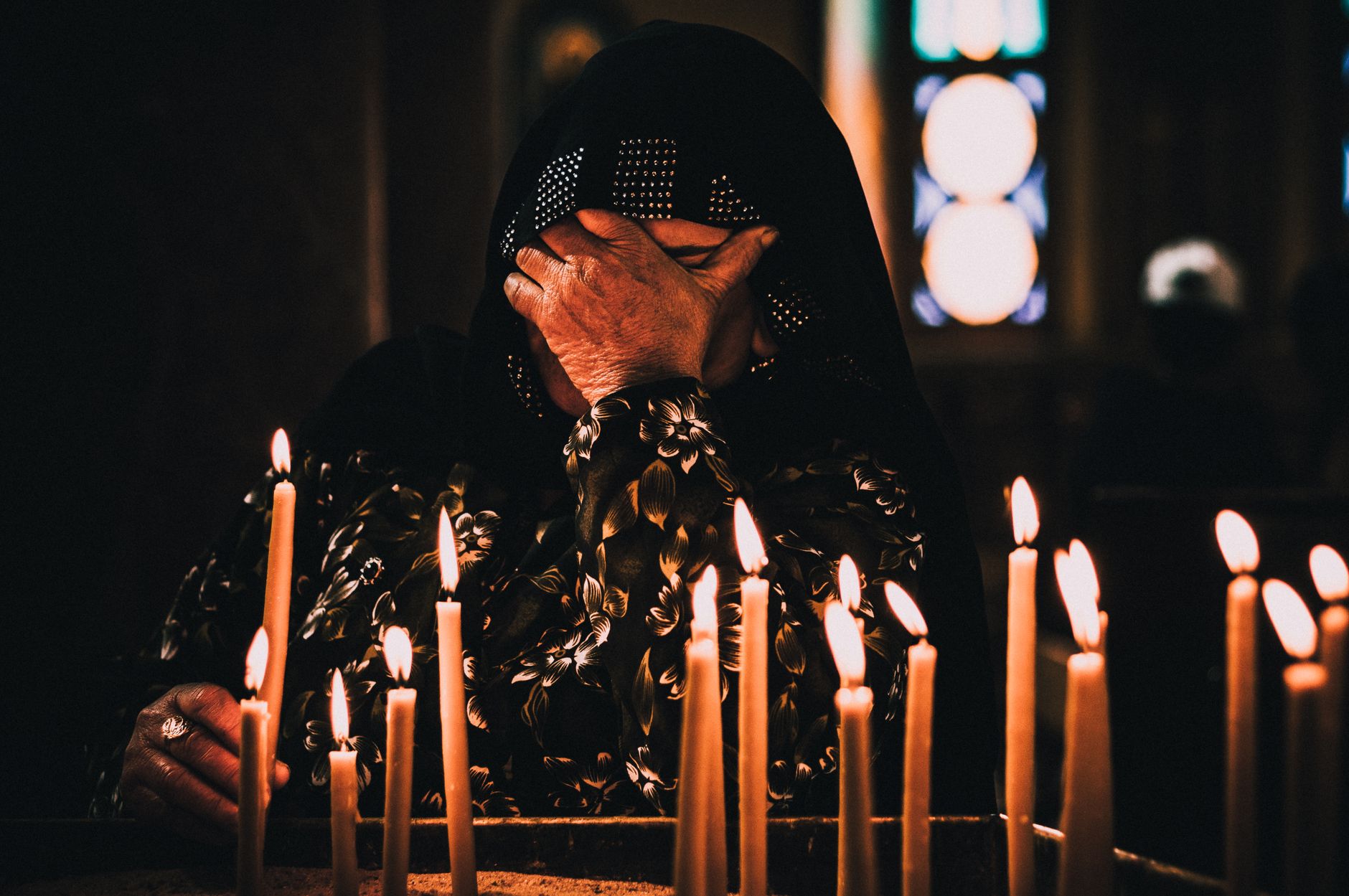
You don’t have to feel a rush of emotion to be grateful. Sometimes, it’s just a quiet whisper. A nod in your head as you turn off the car engine after a long day. An acknowledgment that this breath is not yours, and neither is the next one.
We are not in control of anything, really. Not the weather, not our health, not the hearts of those we love. We are just stewards of time and grace. And in that stewardship, there is a freedom so deep it’s almost dizzying. We can let go of the need to earn our blessings because we know who gives them freely.
So, take a breath. Look around you. See the world that is holding you up right now. And just... let it sink in.
Thank You, Lord. For this moment. For the breath before this one. For the next one, whatever it brings.