The air in Jerusalem was thick with the scent of drying herbs and the low murmur of a crowd that had grown from a handful of onlookers into a roaring sea of faces.
Stephen stood before them, not looking like a man about to die, but like a judge rendering a verdict he had already accepted. His face, the Gospel tells us, looked like an angel’s—a detail that often gets glossed over in our rush to get to the moral of the story. But pause there for a second. Look at that face. In the middle of a chaotic, violent public execution in the first century, this man saw holiness. He saw beauty.
It is early autumn now. The leaves are starting to turn, and we are in that strange, liminal space where the harvest is done, but the cold hasn't quite set in. We are resetting our routines. New school years. New schedules. There is a sense of "fresh start" hanging in the air, even if it’s just a seasonal one. But why does a 2,000-year-old stoning in the Temple courtyard still feel so urgent? Why does Stephen’s story still make my chest tight when I read it?
Because forgiveness is terrifying.
The Weight of the Crowd
Let’s be honest for a moment. If you were in that crowd, what would you have felt?
We tend to romanticize Stephen. We see him as the perfect martyr, the flawless saint. But humans aren’t usually that polished. I’ve read this passage dozens of times, and I’ll confess that for a long time, I felt nothing. It was just another "big event" in Acts. A milestone. A check-box on the curriculum.
Then I started asking myself harder questions.
What if the person throwing the stone was your neighbor? What if they had lent you money last month? What if they were the one who always saved you a seat at church?
Forgiveness becomes easy when the enemy is abstract. It’s hard to hate "the Romans" or "the Pharisees" as a general concept. They are distant. They are political. But when the enemy is personal—when the hand holding the rock belongs to someone who knows your name, who has shared your meals, who has watched your children grow—the math changes entirely.
Stephen wasn’t forgiving a system. He was forgiving people. And that is the hardest kind of grace there is.
In our own lives, we often hide behind abstraction. We pray for "my boss" without picturing his face. We ask God to heal "the sick" without naming the woman in the hospital bed three rooms down. We keep our enemies at a safe distance so we don’t have to look them in the eye.
But Stephen looked right at them. And in that gaze, there was no anger. No resentment. Just a powerful, weary, and beautiful acceptance.
The Promise in the Pain
Why did he look like that? Why was there no fear?
The answer lies in the two lines of Scripture he quoted before he died. First, he accused the religious leaders of being stiff-necked, always resisting the Holy Spirit. Then, he told them to listen:
— "But Stephen, full of the Holy Spirit, gazed up toward heaven and saw the glory of God standing at the right hand of Jesus. He said, 'Behold! I see the heavens opening and the Son of Man standing at the right hand of God.'"
This is the key. Stephen didn’t just feel good. He saw something.
In the heat of the moment, while the crowd was shouting and the stones were being picked up, Stephen’s spiritual eyes opened. He saw the sky open. He saw Jesus standing there, waiting for him.
Think about that. You are about to die. You are in pain. People are yelling at you. But you look up, and you see the King. And you know He is coming to take you home.
That vision changed everything. It turned his death into a transition. It took the terror out of the unknown.
There is a promise here that speaks to all of us, especially in this season of new beginnings. We often think of promise as something future-oriented—"God will bless you later." But the promise here is immediate. "I see the heavens opening." It is happening now.
When we are in the midst of our own struggles—whether it’s a health crisis, a broken relationship, or a job loss—we often feel alone. We feel like God is silent. But the promise of Acts 7 is that God is not silent. He is visible. He is standing at the right hand of Jesus, ready to welcome us.
This isn’t just a historical fact. It’s a present reality. When you open your eyes in prayer, or when you lift your head in the middle of a hard day, you are participating in Stephen’s vision. You are seeing the glory of God. You are seeing the Son of Man.
And that sight gives you strength. It gives you peace. It gives you the ability to forgive, because you know that the One you are serving is faithful.
Living the Vision
So, how do we live this out? How do we move from reading about Stephen to experiencing his kind of peace?
It’s not about pretending we aren’t scared. It’s about anchoring our fear in a bigger truth. Here are three practical ways to do that.
First, practice "Face-Recognition" in your prayers. Stop praying to an abstract God. Start praying to Jesus. Use His name. Talk to Him like a friend. Tell Him your fears. Tell Him your doubts. Ask Him to show you His face. When you close your eyes, try to picture Him standing there, smiling at you. That simple act of visualization can change the entire atmosphere of your prayer life. It moves you from religion to relationship.
Second, find one "Small Stone" to forgive this week. Pick one person who has hurt you. Maybe it’s a family member. Maybe it’s a coworker. Maybe it’s a friend who betrayed your trust. Write down one specific thing they did that still bothers you. Then, pray over that person. Ask God to give you the strength to release your grip on the grudge. You don’t have to call them yet. You don’t have to make amends. Just release the stone. Let it go. And notice how your shoulders drop. Notice how your breathing gets easier. That is the power of forgiveness. It is a physical release.
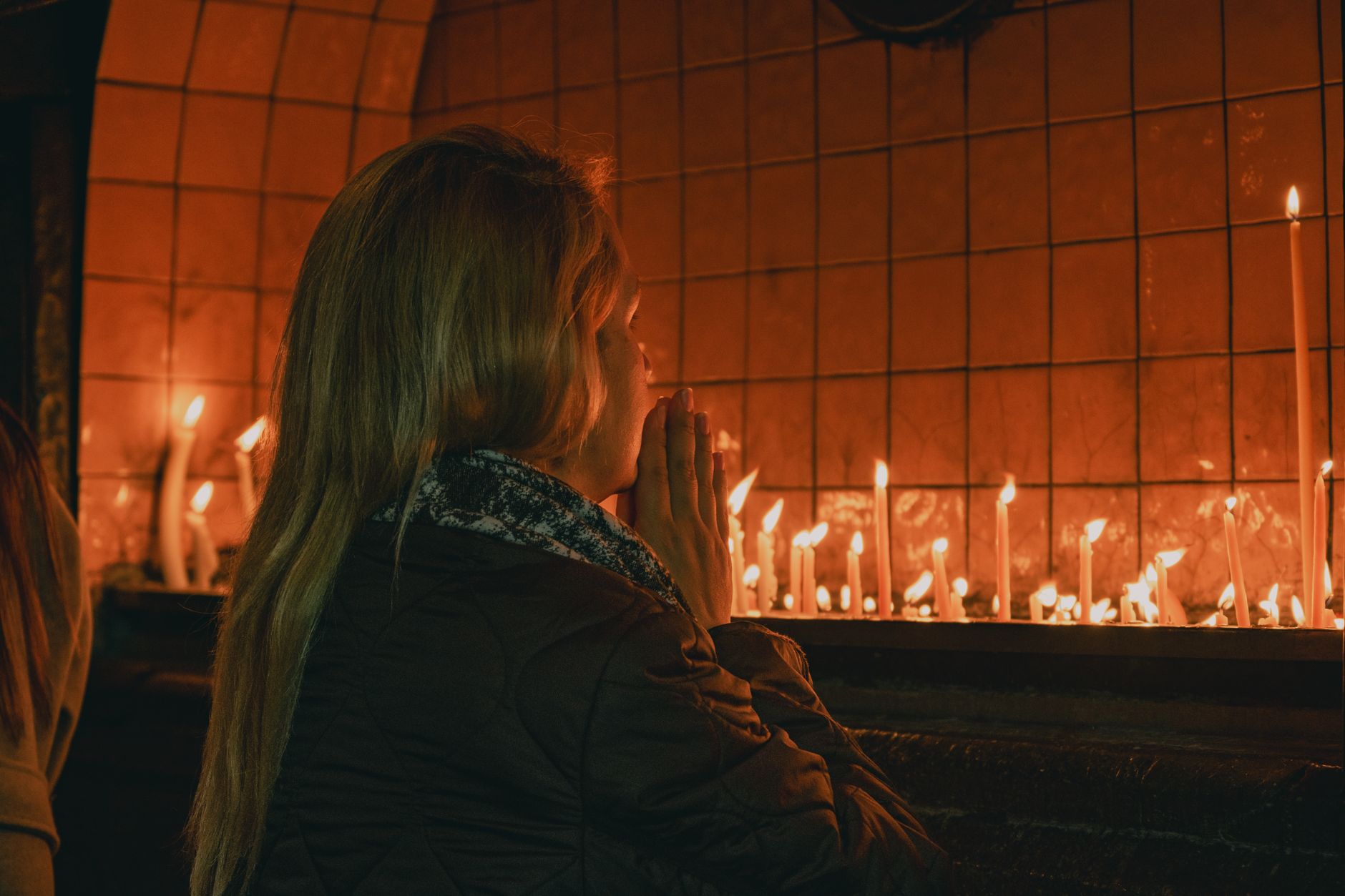
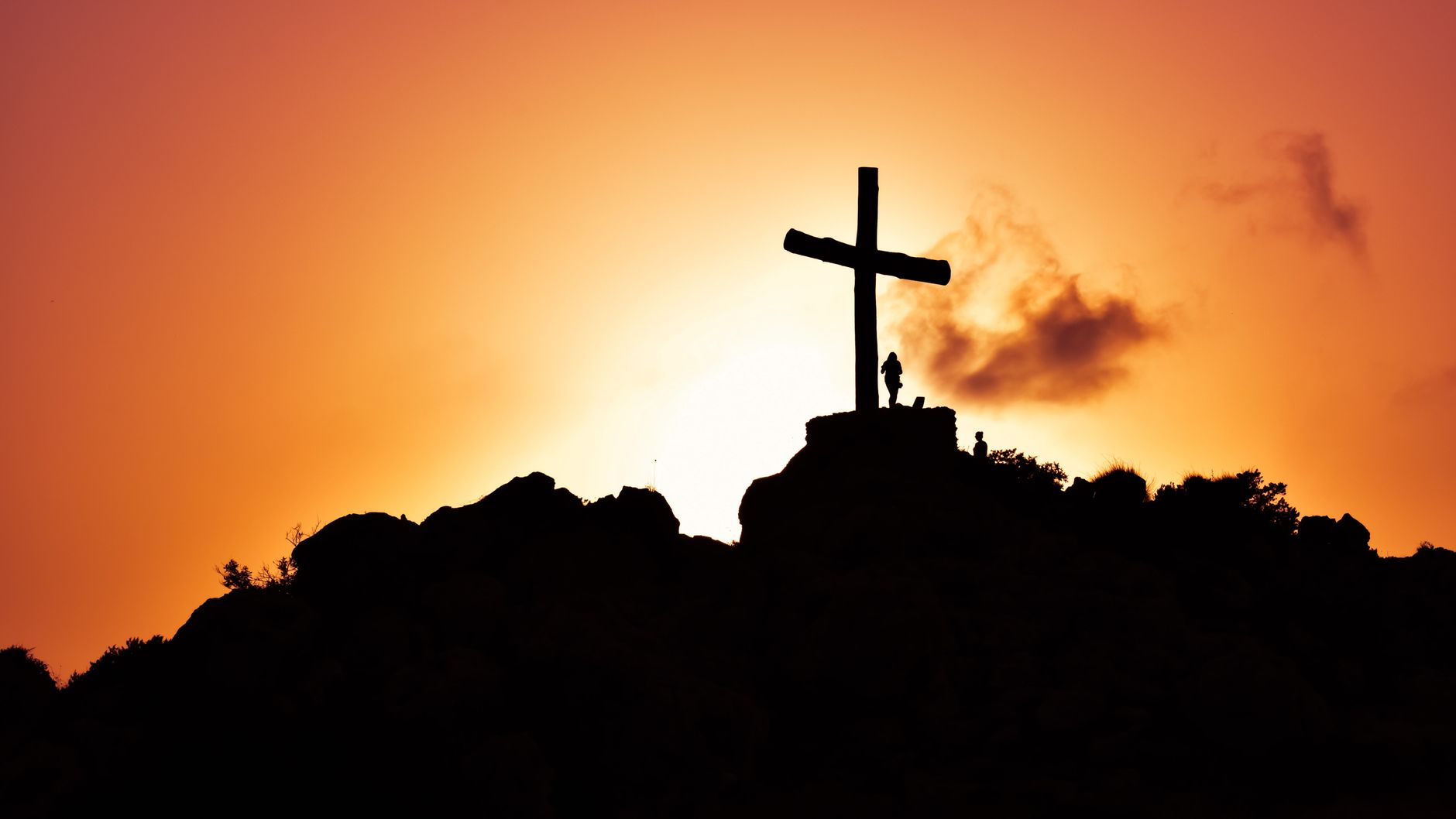
Third, create a "Vision Window" in your home. Find a small spot in your house—maybe a windowsill, maybe a shelf above your desk, maybe a corner of your bedroom. Put a small object there that reminds you of God’s presence. It could be a candle. It could be a cross. It could be a photo of a place where you felt close to God. Every morning, when you wake up, walk to that spot. Look at the object. Take three deep breaths. Say one sentence of gratitude. "Thank you for being with me." Then, go about your day.
This "Vision Window" is your anchor. It’s a reminder that even in the middle of the chaos, the heavens are open. Even in the middle of the storm, the Son of Man is standing there, waiting for you.
It’s a small practice. It takes less than a minute. But it has a big impact. It keeps your eyes lifted. It keeps your heart grounded. It keeps you connected to the Source.
And that connection is what sustains you. It’s what carries you through the hard days. It’s what gives you hope for the tomorrow.
A Ripple Across the Ages
Stephen’s story doesn’t end with his death. It ripples outward, touching centuries, crossing oceans, changing hearts.
Think about the chain of grace. Stephen forgave his killers. Those killers, some of them, were later converted by Paul. Paul wrote letters to churches across the Roman Empire. Those churches planted other churches. Those churches sent missionaries to Asia, Africa, Europe, the Americas.
Every single one of those people carried a piece of Stephen’s forgiveness with them. They carried the idea that even the worst enemy is worthy of love. They carried the vision that the heavens are open, that the door is unlocked, that the invitation is universal.
And that ripple reaches us. It reaches you. It reaches me.
When you forgive someone, you are joining that chain. You are adding a link. You are extending the reach of grace. When you lift your eyes in prayer, you are joining that vision. You are seeing what Stephen saw. You are seeing the glory of God. You are seeing the Son of Man.
And that makes you part of something bigger than yourself. It makes you part of a story that spans thousands of years. It makes you part of a community of faith that stretches across the globe.
In this season of new beginnings, let that be your hope. Let that be your strength. Let that be your comfort.
You are not alone. You are not forgotten. You are not overlooked.
The heavens are open. The Son of Man is standing there. And He is waiting for you.
Just lift your eyes. Just take a breath. Just let go of the stone.
And see what happens.