Gandhi's Spiritual Practices
Mahatma Gandhi's Spiritual Practices
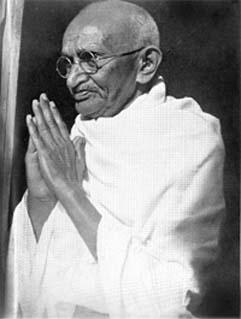
Mahatma Gandhi was a renowned leader and spiritual figure who dedicated his life to the pursuit of nonviolence and social justice. His methods of nonviolent resistance and civil disobedience have inspired countless individuals around the world, and his legacy continues to inspire people of all faiths and backgrounds. In this article, we will explore the power of prayer in the life and work of Mahatma Gandhi, and how his spiritual beliefs and practices helped him to achieve his goals of peace and equality.
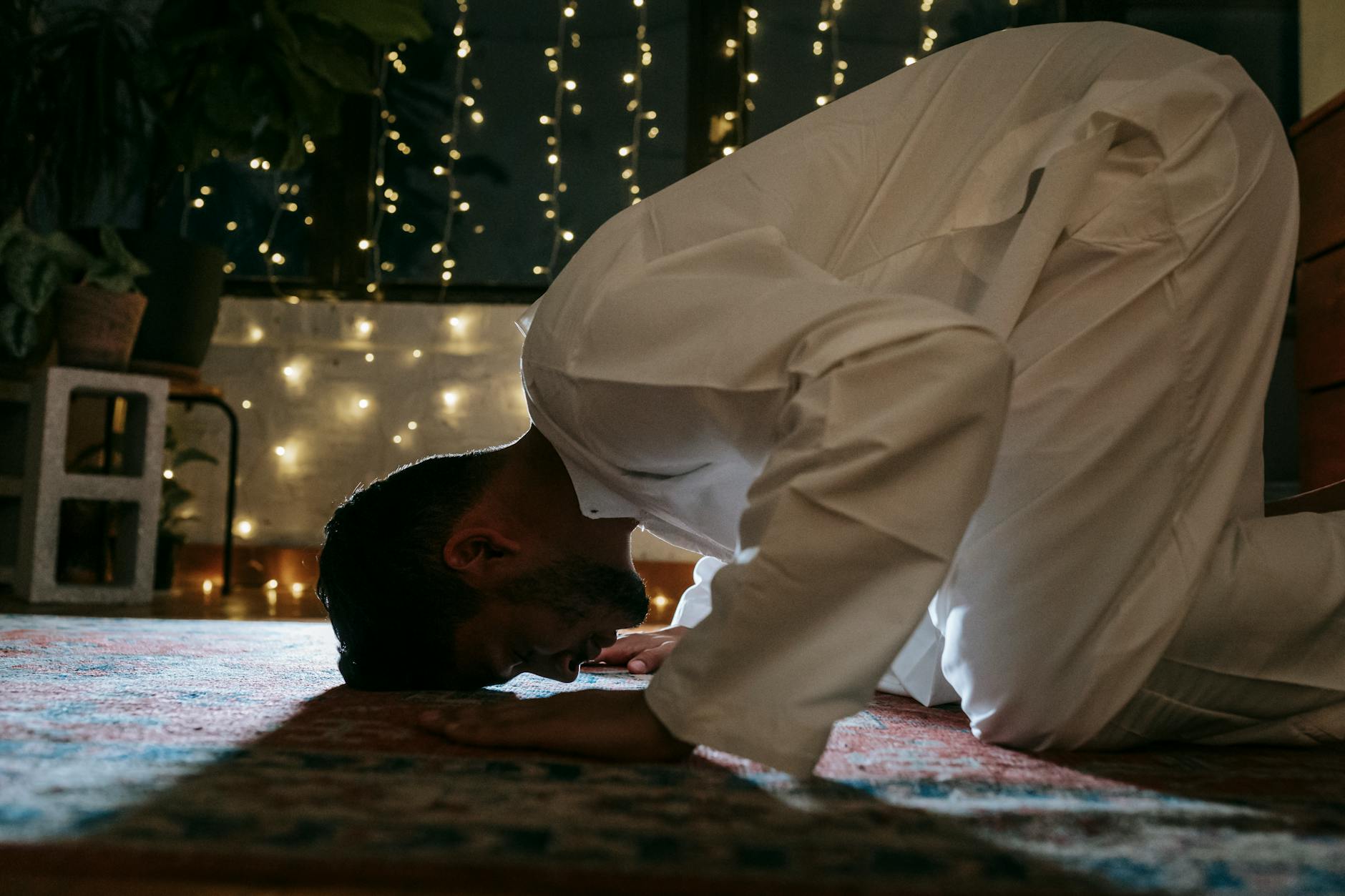
Gandhi was a spiritual man, and he believed that spirituality was essential for personal growth and social change. He was a devout Hindu and practiced meditation and yoga daily, but he also drew inspiration from other religious traditions, including Christianity and Islam. Gandhi believed that spirituality was not just a personal pursuit, but a means to find the strength and wisdom necessary to transform society. For instance, he often spoke about the importance of self-reflection and journaling in his own spiritual journey, which helped him clarify his thoughts and stay focused on his goals, as seen in his writings, where he would often record his inner struggles and triumphs, providing a unique glimpse into his spiritual growth.
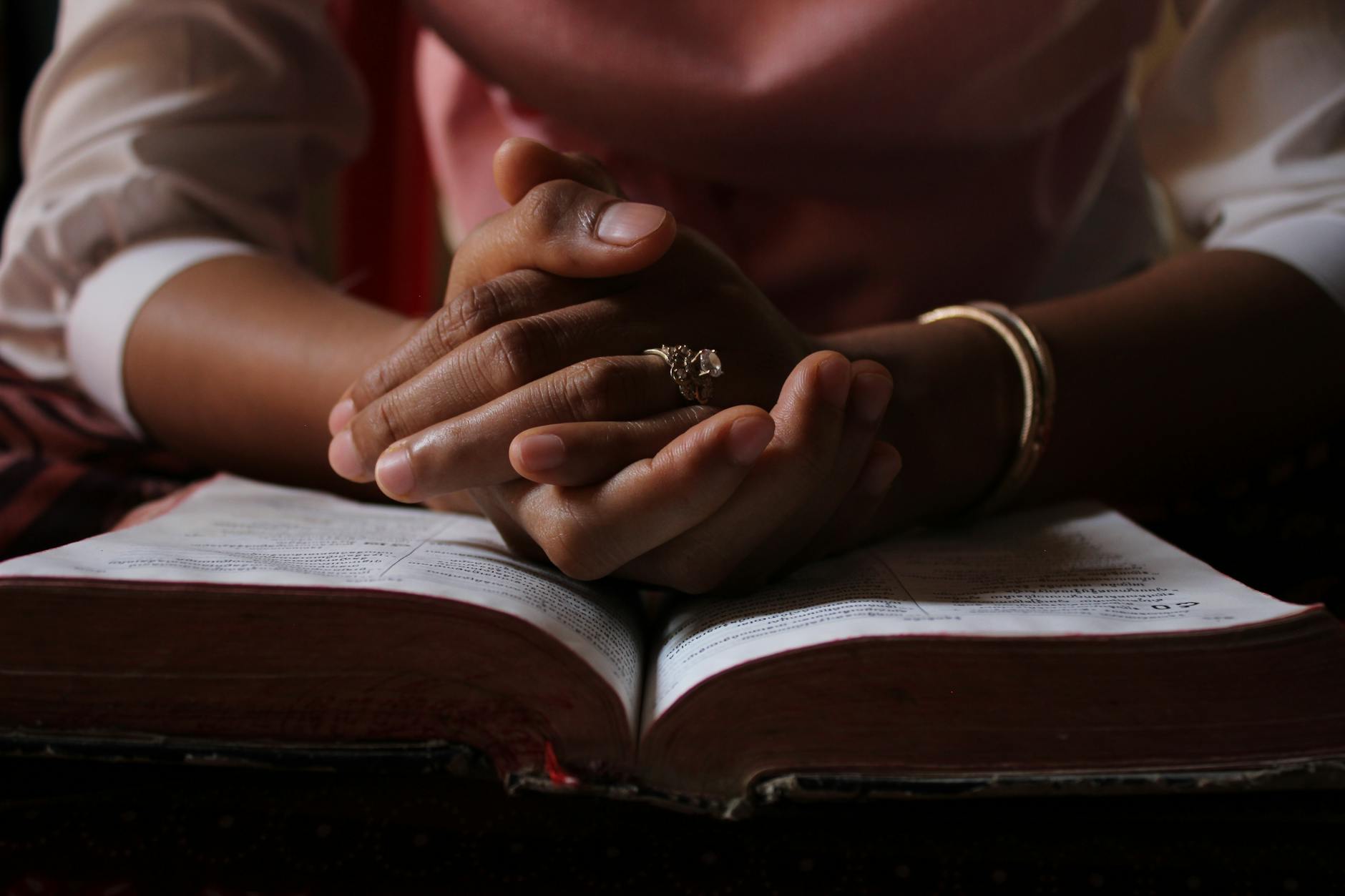
One of the most powerful tools in Gandhi's spiritual toolkit was prayer. He believed that prayer was a potent tool for personal growth and social transformation, and he used it regularly throughout his life. In his autobiography, "The Story of My Experiments with Truth," Gandhi writes, "Prayer is my way of realizing that I am a part and parcel of the whole, and that I am not alone in the universe." He also found solace in prayer during times of great stress or difficulty, turning to it for comfort and guidance, such as when he faced opposition from his own community, and had to navigate the complexities of leading a movement while staying true to his values.
Gandhi's reliance on prayer was not limited to personal reflection or spiritual growth, however. He also utilized prayer as a unifying force, often leading prayers and meditations at the start of his marches and protests. These collective prayers brought people together, creating a sense of unity and shared purpose among them. I recall a particular account of a prayer meeting he led in 1947, where thousands of people from different faiths came together to pray for peace and unity in the face of impending partition, a testament to the power of prayer in transcending boundaries and fostering a sense of community.
In addition to prayer, Gandhi drew inspiration from practices such as fasting and celibacy. These disciplines helped him focus his energy and attention, allowing him to stay committed to his vision of a more just society. By embracing these practices, Gandhi was able to tap into a deeper sense of purpose and resolve, which in turn fueled his activism. For example, during his fasts, he would often spend hours in contemplation, seeking guidance from his spiritual practices, and it was during one such fast that he had a profound realization about the importance of nonviolent resistance, which would go on to shape the course of his movement.
One notable example of Gandhi's spiritual practices in action was his 240-day fast in 1932, organized in response to the British government's decision to impose a new tax on salt. This fast was a dramatic symbol of his unwavering commitment to justice, and it helped galvanize support for the Salt March, which took place a few months later and saw thousands of Indians march to the sea to defy the British tax. As he prepared for this fast, Gandhi spent hours in contemplation, seeking guidance and strength from his spiritual practices, and it was this preparation that allowed him to embark on such a challenging and pivotal moment in his life.
Gandhi had a lasting impact on the spiritual lives of others, inspiring a generation of leaders and activists who continued his work after his death. Martin Luther King Jr. was influenced by Gandhi's methods, and King wrote, "I must confess that over the years I have been greatly encouraged by what Mahatma Gandhi has been able to accomplish through the method of nonviolent resistance. This method, I feel, is the most potent weapon available to the indigenous people of the earth." King's own experiences with nonviolent resistance, including the Montgomery Bus Boycott, were shaped by Gandhi's philosophy, demonstrating the enduring legacy of Gandhi's spiritual practices.
Today, Mahatma Gandhi's legacy shows us that spirituality can shape individual lives and transform society. His example continues to inspire people from diverse walks of life, reminding us that our inner lives and outer actions are intimately connected. Gandhi's life and work demonstrate that our own spiritual practices can be a source of strength, guiding us toward a more compassionate and just world, a world that values the inherent worth and dignity of every human being, and strives to create a more equitable and peaceful society for all.