The house is silent. Not the comfortable silence of a sleeping child, but the heavy, expectant quiet of a room where everyone is holding their breath. It’s 10 PM on a Tuesday. You’ve just closed your laptop after the fifth "quick check" of your email. Your shoulders are up by your ears, a physical knot of tension that mirrors the mental clutter behind your eyes. You tell yourself you’re efficient. You tell yourself you’re handling it. But deep down, in the hollow space beneath your ribs, you know you’re running on fumes. You are exhausted, and you are afraid to stop.
This is the modern spiritual crisis. We have traded rest for productivity, and peace for performance. We treat our souls like engines that need constant fuel and high RPMs to function, forgetting that even the most powerful machines require downtime to prevent overheating. In Scripture, rest isn’t just a reward for work done; it is a command, a covenant, and a declaration of trust in God.
The Problem: We Confuse Motion with Progress
We live in a culture that worships busyness. If you aren’t doing something, you feel guilty. We scroll through social media seeing other people’s highlight reels—vacations, promotions, perfectly styled homes—and we compare our behind-the-scenes chaos to their polished front stage. The result is a collective anxiety that whispers, “If you stop, you’ll fall behind.”
This is why burnout feels so personal yet so universal. We try to manage it with better time-management apps, stricter routines, or even more caffeine. But we miss the root cause: we have forgotten that rest is not the absence of work, but the presence of God.
The Promise: It Is Lawful to Come Out
The foundation of Sabbath rest is laid in Genesis. After creating the heavens, the earth, the sea, and all living creatures, God did not immediately dive into administrative duties. He rested.
— "Thus the heavens and the earth were finished, and all the host of them. And on the seventh day God had finished his work which he had done, and he rested on the seventh day from all his work which he had done."
Note carefully: God was not tired. He did not need a nap to recover his energy. He rested to model for humanity what relationship with Him looks like. To rest in God is to acknowledge that He is sufficient. We do not need to earn our place at the table; we are already seated.
This is why Jesus could say to the disciples when they wanted to feed the crowd: "Give them something to eat" (). He wasn’t mocking them. He was teaching them to see what they had. They had five loaves and two fish. That was enough. Sabbath rest is the practice of recognizing that we have enough. We have God. We have each other. We have this breath.
The Practice: Three Ways to Stop This Week
Rest is a muscle. If you haven’t used it in years, it will cramp. So, how do we start? Here are three concrete, manageable ways to practice the Sabbath spirit this week. You don’t need a monastery. You need a calendar and a willingness to disappoint someone.
1. Guard One Hour of "Unproductive" Time
Pick one hour this week where you do nothing that yields a measurable output. No reading for work. No answering texts. No cleaning the kitchen. You might sit by a window. You might walk around the block without listening to a podcast. You might lie on the floor and stare at the ceiling.
The goal is to train your brain to tolerate the discomfort of stillness. At first, your mind will scream. It will list every task you didn’t do. Let it scream. You don’t have to listen. Just breathe. This hour is not a waste of time; it is an investment in your capacity to love.
2. Create a Ritual of Transition
Burnout often happens because we move directly from work mode to home mode without a buffer. We carry the stress of the office into our living rooms. Create a small ritual that marks the end of your workday.
For some, this is a ten-minute prayer. For others, it’s making a specific cup of tea and drinking it slowly while standing outside in the cool air. It could be changing clothes immediately upon entering the house, symbolically shedding the "work skin." This ritual tells your nervous system: The shift has happened. You are safe now. It creates a boundary between the world of labor and the world of rest.
3. Say "No" to One Good Thing
This is the hardest one. We usually say no to bad things. We say yes to good things. But sometimes, a good thing is draining. That friend who always talks about their problems. That committee meeting that lasts two hours but decides nothing. That invitation to a party where you’ll be working the whole night.
Choose one good thing this week and say no. Protect your energy. Tell them you’re resting. Watch the guilt rise. Sit with it. You will feel selfish. You will feel ungrateful. But you are practicing stewardship. You are tending to the garden of your soul so it can bear fruit later.
The Autumn of the Soul
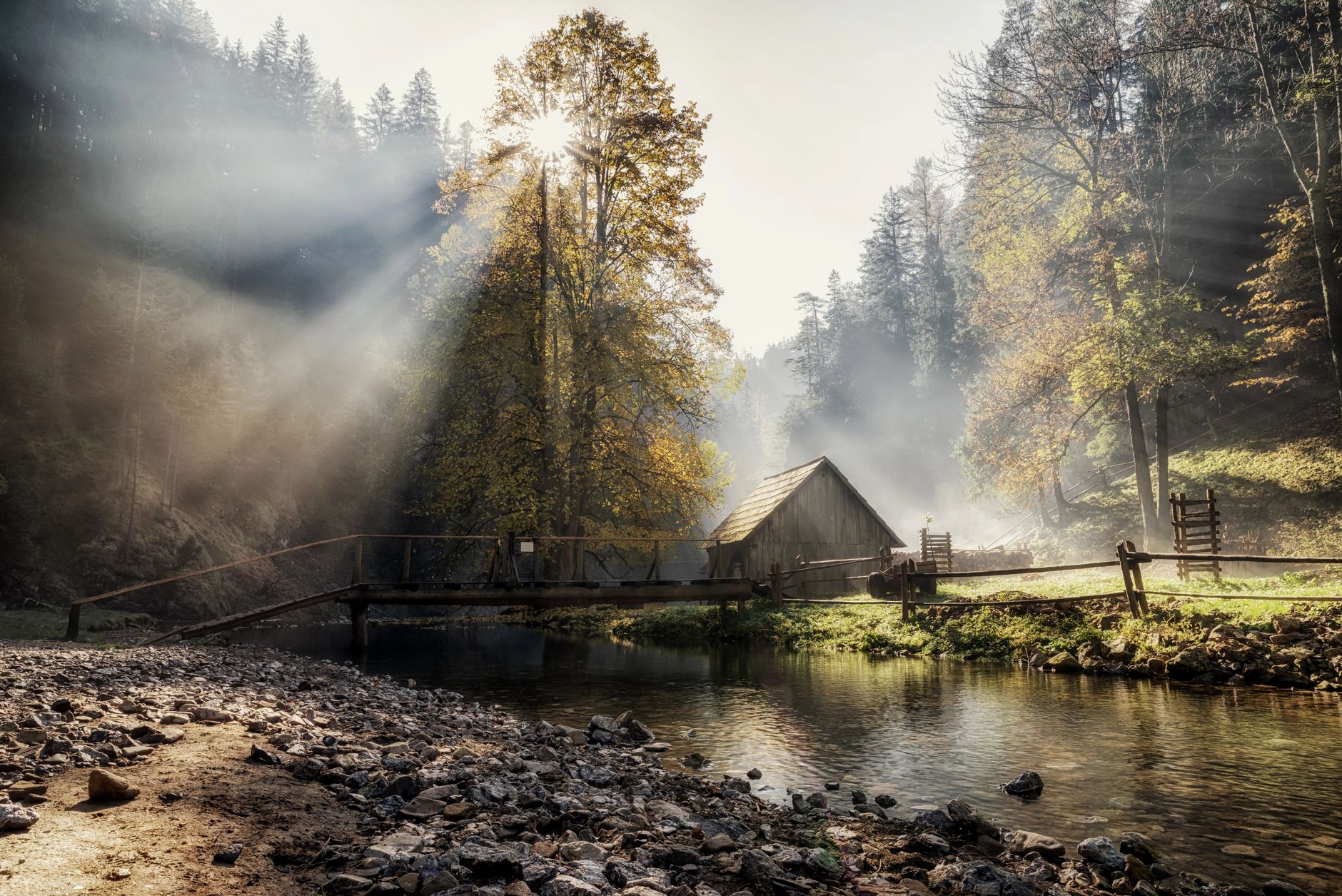
As the leaves begin to turn, the world around us is engaging in its own form of rest. The trees drop their leaves not in defeat, but in preparation. They let go of what they no longer need so they can conserve energy for the winter. There is a deep wisdom in this seasonal rhythm that we have largely ignored. We try to keep the summer greenery going all year round, forcing blooms in January, sweating through the heat, refusing to acknowledge the season of dormancy.
When we embrace the Sabbath, we are not just giving ourselves a break; we are aligning ourselves with the rhythm of creation itself. We are admitting that we are not God. We are not the sun. We do not have to shine all the time. We can dim. We can fade. We can let the leaves fall. And in that letting go, we find a strange and counterintuitive strength. We find that by doing less, we become more. We find that in the silence, we finally hear His voice.
So, this week, try it. Close the laptop. Turn off the phone. Sit in the quiet. Let the leaves fall. And trust that even in the stillness, He is moving.