Most of us treat anxiety like a guest who overstayed their welcome. We wait for it to calm down on its own, or we try to reason with it until our heads spin. But here is the counter-intuitive truth I had to learn the hard way: anxiety doesn’t listen to logic. It listens to rhythm.
It is autumn now. The leaves are doing that slow, deliberate dance off the branches. There is a certain surrender in the season. We spend so much time trying to hold everything together, terrified that if we let go, the whole structure will collapse. Scripture tells us something different. It tells us that the ground moves, but the Rock does not.
The Physiology of Fear
Let’s get practical for a second. I’ve sat in my car after work, engine off, staring at the steering wheel, wondering if I was actually breathing. My chest felt tight. My mind was racing through a list of things that could go wrong—work emails, bills, health concerns. It was a cascade of "what ifs."
In those moments, I wasn’t thinking about theology. I was thinking about survival. And that is okay. Faith doesn’t require you to ignore your biology. In fact, acknowledging the physical reality of anxiety makes room for spiritual healing.
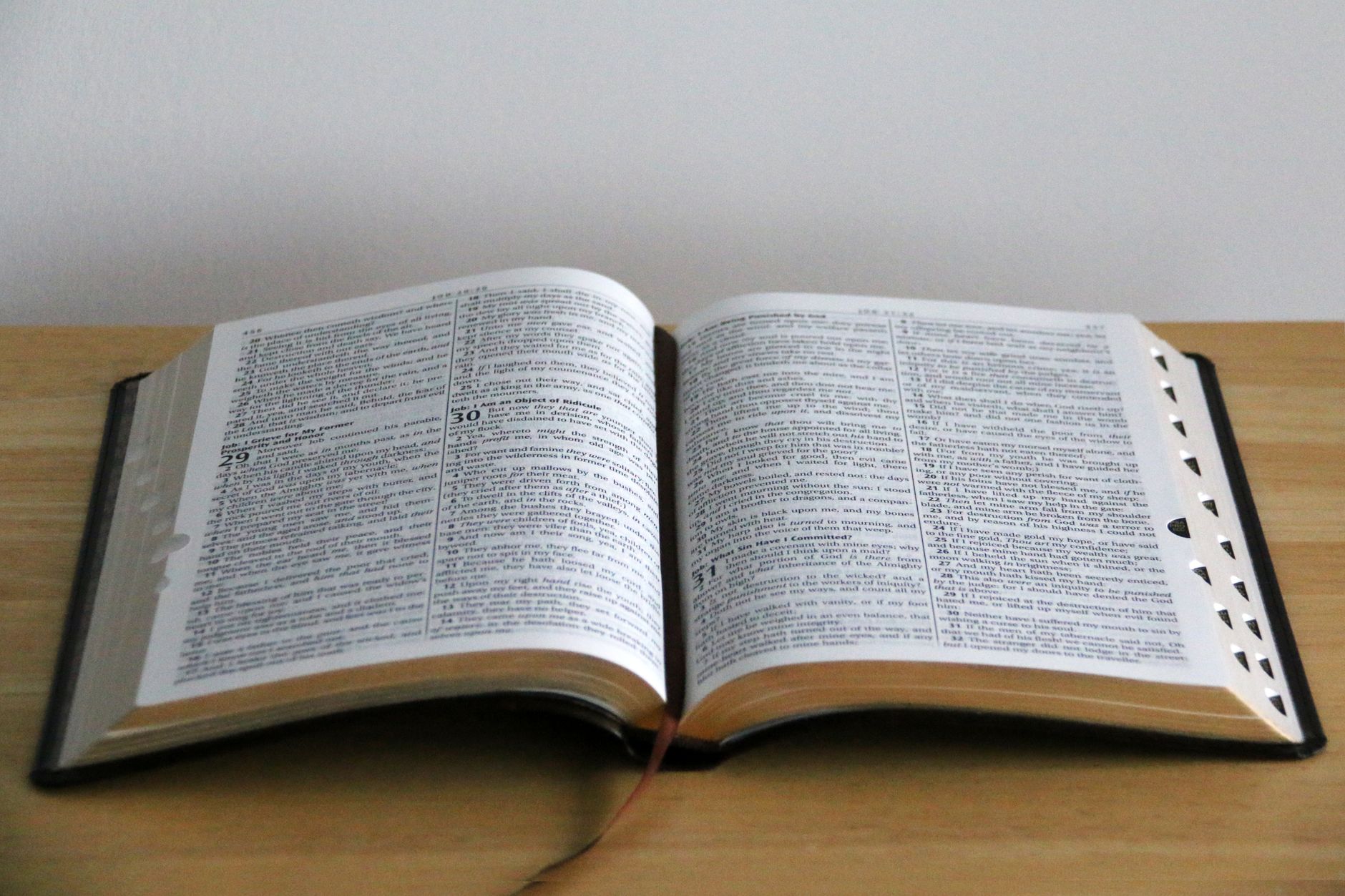
When I finally got out of the car, I walked into the house and went straight to the kitchen. I didn’t turn on the radio. I didn’t check my phone. I just stood there, holding a glass of water, and I started to read. Not the whole chapter. Just one verse. Over and over.
— "Do not be anxious about anything, but in every situation, by prayer and petition, with thanksgiving, present your requests to God. And the peace of God, which transcends all understanding, will guard your hearts and minds in Christ Jesus."
Notice the word guard. It’s a military term. It means to stand watch. To keep sentry. When you pray with thanksgiving—even when you don’t feel thankful—you are calling the guard to duty. You are telling that divine stillness to stand at the door of your heart and check the IDs of every thought that tries to come in.
Trusting in the Unseen
There is a part of me that still wants proof. I want to see the bill paid before I stop worrying. I want a negative diagnosis in hand before I release my grip. But that is living by sight. And sight is limited. It can only tell you what is there. It cannot tell you what is coming.
Faith sees the other side. It sees the destination before the road is paved. This is why the Psalmist can say he is not afraid, even when surrounded by enemies. His fear has been relocated. It has moved from his own hands to God’s.
— "When I am afraid, I put my trust in you. In God, whose praise in the midst of the assembly of Israel is my strength, I trust in God; therefore I will not be afraid. What can man do to me?"
That last question is powerful. What can man do to me? It’s not arrogance. It’s perspective. If God is for you, who is against you? If your identity is secure in Him, then the opinions of men, the failures of your career, the criticisms of your peers—they lose their power to wound. They become weather. Temporary. Passing.
A Practice for This Week
How do you apply this? It’s not about meditating on these verses for an hour every morning (though that is good). It’s about integration. It’s about changing the reflex.
Next time the tightness hits in your chest, don’t reach for your phone. Don’t start listing your problems. Take three deep breaths. Inhale for four counts. Hold for four. Exhale for six. As you exhale, say the name of Jesus. Or whisper, "Divine calm, guard me."
Make it small. Make it simple. You don’t need to feel a rush of emotion. You just need to shift the anchor. You are moving your weight from the unstable ground of your circumstances to the stable ground of His character.
I think about the tree in my yard this fall. The oak. It has been standing there for decades. It has witnessed storms. It has endured droughts. It has watched the leaves come and go, year after year. And yet, it stands. Not because it is strong. But because its roots are deep.
Your roots are your relationship with God. It is built on the Word. It is watered by prayer. It is pruned by the Spirit. When the winds of anxiety blow, the branches may shake. The leaves may flutter. But the trunk holds. Because the root system is anchored in something deeper than the soil.
So, breathe. Present your requests. Thank Him. And let that stillness guard you. The year is turning. The season is changing. But the Rock remains.