Trusting God in Exile: How Jeremiah’s Hope Changes Waiting
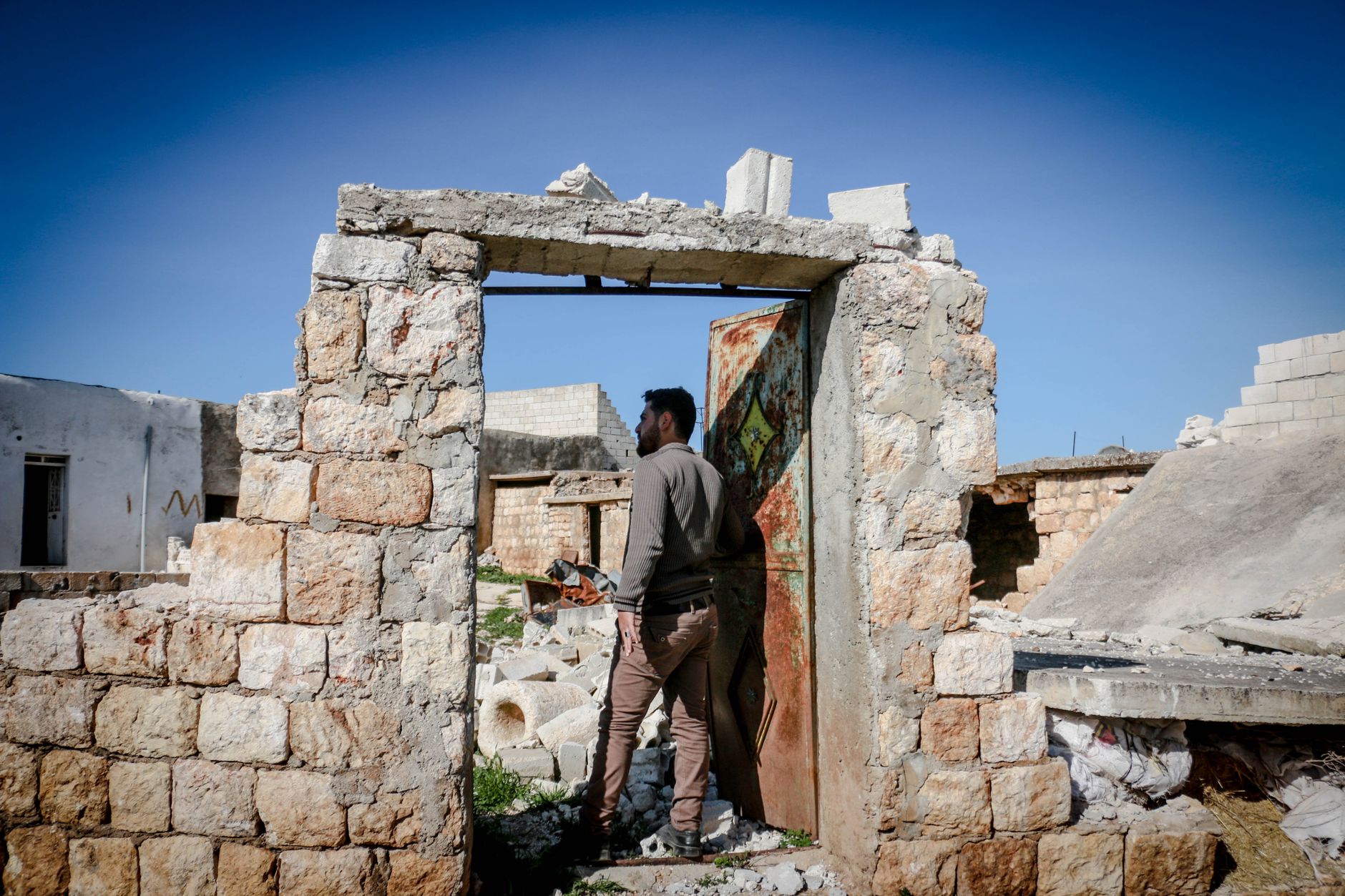
It feels like a mistake. That’s the first thing you notice when you land in exile, even if it was God who sent you there.
We tend to think of hope as a bright, shiny object waiting at the end of the tunnel. We visualize it like a sunrise—something that happens after the dark night is over, after the debt is paid, after we’ve done enough. So when life doesn’t go to plan—when the job disappears, the marriage fractures, or the diagnosis comes back wrong—we assume God has forgotten us. Or worse, He’s angry.
But Jeremiah knew something we often miss. Hope isn’t just a destination. It’s a posture. And you can hold that posture even while the city walls are still burning around you.
If you’re reading this on a lazy summer afternoon, with the breeze coming through an open window and your kids finally asleep, it might feel easy to nod along. But let’s be honest about the middle of the story. The hardest part of faith isn’t waiting for God to act; it’s trusting He is acting while you’re still standing in the rubble.
What Does It Mean to "Wait" When Nothing Changes?
Most of us treat waiting as a passive state. We sit on the couch, we check our phones, we look at the clock. But the Hebrew word Jeremiah uses for "waiting" is qavah. And it’s not passive at all.
Qavah implies a kind of active tension. Think of it like a rope being pulled taut, or a hunter lying in wait for prey. It’s the energy of expectancy. It’s not "waiting around"; it’s "waiting on."
Jeremiah didn’t just hope things would get better. He expected God to fulfill His word, even if the timeline looked backward. In , he writes:
"For I know the plans I have for you,” declares the Lord, “plans to prosper you and not to harm you, plans to give you hope and a future. Then you will call on me and come and pray to me, and I will listen to you. You will seek me and find me when you seek me with all your heart."
Notice the sequence. God’s plan is already set ("I know"). But our part is to seek Him with all our heart. That’s the work of waiting. It’s not looking at the empty chair; it’s filling that chair with your attention, your prayer, and your trust.
I used to think waiting was God’s way of putting us on hold. Like customer service music, slow and slightly irritating. But Jeremiah suggests waiting is actually where we tune into His frequency. When nothing external changes, the internal connection deepens.
Why Exile Isn’t Punishment (It’s Preparation)
Here’s the uncomfortable truth: often, our "exiles"—those seasons of loss, delay, or displacement—are not punishments. They are preparations.
When Israel went into exile in Babylon, they weren’t being cast out because God was done with them. They were being refined for the future. Babylon wasn’t just a prison; it was a classroom. It was where they learned to trust God not in the temple, but in the marketplace. Not in the holy land, but in a foreign land.
We do this all the time. We think God’s presence is tied to our circumstances. If everything is going well, He must be with us. If everything falls apart, He must have left the building. But Jeremiah flips that script.
"Build houses and continue to live in them; plant gardens and eat what they produce... Seek the peace of the city where I have sent you into exile, and pray to the Lord on its behalf, for in its peace you will have peace." ()
God tells them to get comfortable. To buy property. To plant trees that might not bear fruit for decades. That’s faith. That’s betting on a future you can’t yet see.
It’s like planting an oak tree in your front yard. You’re not going to sit under its shade next year. You might not even live here in ten years. But you plant it anyway, because you trust the soil, and you trust that life will continue.
Exile forces us to stop relying on our past security (the temple, the land, the reputation) and start relying on God’s character. And that is a much stronger foundation than any building ever was.
How Do You Find Hope When the Timeline Is Broken?
This is where most of us stumble. We have a mental spreadsheet for life. You do X, you get Y. You pray, you’re healed. You save money, you retire securely. When the timeline breaks—when the healing doesn’t come, or the money runs out, or the children leave without warning—we panic. We feel like we’ve been lied to.
But hope in the Bible isn’t based on our performance. It’s based on God’s faithfulness.
Jeremiah bought a field while Jerusalem was under siege (Jeremiah 32). Can you imagine the look on his neighbors' faces? The city is surrounded by enemy armies. Food is scarce. Land values are plummeting. And Jeremiah walks to the title office and buys a plot of land for seventeen shekels.
His scribe, Baruch, probably thought he was crazy. "Why are you paying full price for dirt that’s about to be conquered?"
But Jeremiah knew something they didn’t. The siege would end. The people would return. And he wanted to be there when they did. He was investing in the long game.
Hope is looking at your current circumstances and saying, "This is not the final chapter." It’s trusting that God’s story has a plot twist you haven’t read yet.
It requires a bit of stubbornness. A refusal to accept the current reality as the final word. When you’re in a season of waiting, don’t just sit there. Act like the future is already here. Make plans. Invest your time. Love your neighbors. Because Jeremiah says, "In its peace you will have peace" (Jer 29:7). Your hope isn't just for you; it's a witness to the world around you.
What Does This Look Like for You Today?
So, how do we live this out? How do we stop feeling like victims of circumstance and start living as heirs of promise?
First, stop tying your hope to your timeline. God’s "soon" is not our "soon." His plans are often slower, deeper, and more intricate than we can see from ground level. Trust that He is working, even when you can’t see the gears turning.
Second, seek Him with all your heart. This isn't about praying more hours. It’s about pursuing God with intensity. It’s the difference between glancing at a map and studying it until you know every turn. Call on Him. Ask the hard questions. Don’t settle for surface-level answers.
Third, build your house in exile. Whatever "exile" looks like for you right now—a difficult job, a lonely season, a chronic struggle—don’t just endure it. Engage with it. Plant your roots there. Find joy in the mundane. Love the people right in front of you. Because God is present there, too.
I’ll be honest, I’ve struggled with this. There were months when my prayer life felt like talking to a ceiling fan—always buzzing, never really connecting. I wanted the big signs, the dramatic shifts. But God was whispering in the details. In the kindness of a stranger. In the quiet strength to get up one more day.
Hope isn’t loud. It’s steady. It’s the quiet confidence that says, "God is still God, no matter what happens next."
A Prayer for the Middle of the Story
Lord, when I feel stuck in this middle place, help me to stop looking for an exit and start looking for You. Teach me the art of qavah—the active, hopeful waiting that doesn’t just pass time but prepares my heart. When the plans don’t match up, when the walls feel like they’re closing in, remind me that You know my plans. Give me the courage to buy the field, to plant in unfamiliar soil, and to trust that You are making a way even when I can’t see the road. Let my hope not be in how fast things change, but in who You are. Amen.