The Donkey Didn’t Come for the Parade
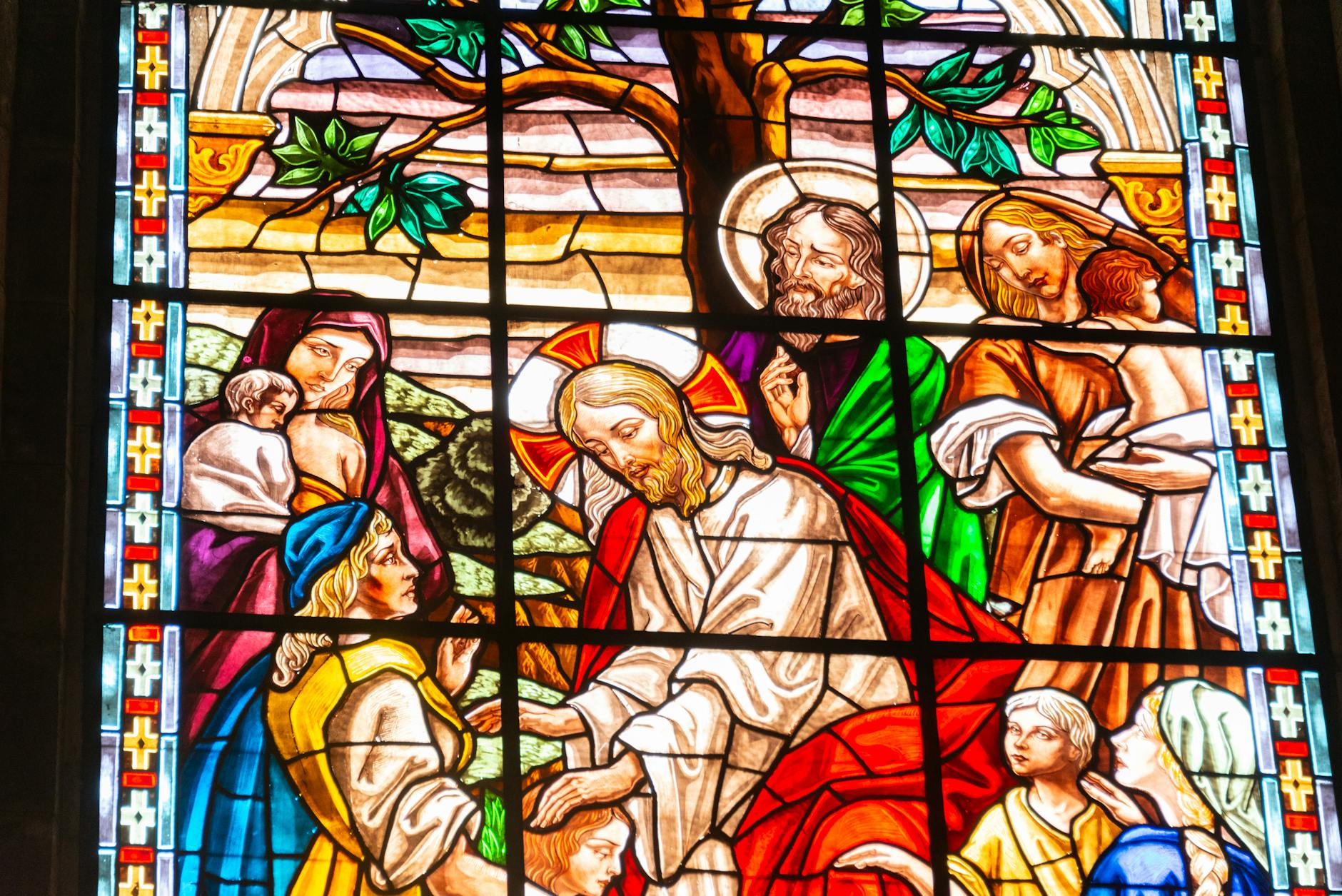
You’ve probably seen the paintings. The wide-angle shots of palm branches waving like green confetti, Jesus sitting on a beast of burden that looks more like a plush zoo exhibit than a working animal. It’s sunny. Everyone is smiling. It’s the ultimate victory lap before the crash.
But look closer at the text. There’s no cheering crowd yet. Just one man, a bit out of breath, wrestling with the ropes of a colt he’s never tamed. He’s standing in the dust of Bethphage, waiting for a signal that feels less like divine orchestration than a risky gamble. And the donkey? She’s probably wondering why this guy is poking her ribs with a stick.
This isn’t just the start of Holy Week. It’s a collision of two worlds.
We tend to read the Triumphal Entry as a single, glorious moment of acclaim. We rush past the details because we know the ending. We know the cross is coming, so we smooth out the rough edges of the donkey, the colt, and the confused disciples. But if we slow down, if we actually sit in that dusty street with them, the scene stops being a static picture and starts being a loud, messy argument about what "King" actually means.
And honestly? That’s probably where we need to be right now.
The Politics of a Beast
Let’s look at the logistics. In first-century Jerusalem, when a king arrived, he didn’t hitch a donkey to his chariot. He hitched horses. Horses were the tanks of the ancient world. They were fast, they were expensive, and they were built for war. A horse signaled conquest. It signaled speed. It signaled, "I am here to crush your rebellion and install my order."
Jesus chooses a donkey.
Specifically, a young donkey on which no one had ever sat. This wasn’t just a random farm animal; it was a virgin mount, reserved for a special occasion. But why a donkey?
gives us the clue, quoting Isaiah: "Say to Daughter Zion, 'See, your king comes to you, gentle and riding on a donkey, and on a colt, the foal of a donkey.'"
In the ancient Near East, a king riding on a horse meant war. A king riding on a donkey meant peace. It meant a king who came to settle disputes, not start them. It was a deliberate, theatrical act of counter-culture. Jesus wasn’t simply arriving; he was making a statement with his transportation.
Think about it like this: If you wanted to show off your power today, you’d drive a Ferrari. If you wanted to show you were accessible, you’d take a bus. Jesus took a bus of the ancient world, but one that was usually used by the poor and the commoners. He was saying, "My kingdom isn’t about crushing Rome with superior firepower. It’s about humility. It’s about peace."
But the crowd didn’t quite get the memo. Not yet.
The Noise of the Multitude
As Jesus moves down the Mount of Olives, the noise starts. It’s not just the disciples. It’s the pilgrims who have been traveling for days, their feet blistered, their hearts exhausted from the Roman occupation. They are looking for a revolution. They are looking for a King who will throw off the yoke of Caesar and restore Israel’s political glory.
When they see Jesus, they don’t just wave branches. They tear strips from their own garments and throw them on the road. In 2 Kings 9, Jehu was anointed king, and the soldiers did the same thing. It was a royal greeting. But they also spread palm branches, symbols of victory and nationalism.
"The large crowd spread their cloaks on the road, while others cut branches from the trees and spread them on the ground. The crowds that went ahead of him and those that followed shouted, 'Hosanna!' 'Blessed is he who comes in the name of the Lord!' 'Blessed is the king who comes in the name of the Lord!' With palms they went out to meet him." (, NIV)
Notice the word Hosanna. We’ve sanitized it into a gentle "please save us" for Sunday school hymns. But in its original Aramaic context, it’s a shout. It’s urgent. It’s desperate. It’s the cry of someone who feels trapped and is begging for a rescue that looks like this.
And here’s the tension. Jesus accepts the praise. He lets the children shout "Blessed is the one who comes in the name of the Lord!" He doesn’t correct them immediately. He leans into it. He leans into their hope.
Why? Because their hope wasn’t wrong. It was just incomplete.
They wanted a King who would fix the roof. Jesus came to be the foundation. They wanted a King who would defeat the Romans. Jesus came to defeat sin and death. The vehicle was different, but the destination was salvation.
I’ll be honest, I’ve struggled with this passage my whole life. I’ve always felt a bit embarrassed by it. It feels so theatrical. So performative. As if Jesus was staging a publicity stunt to get into the good graces of the priests before his execution. But the more I sit with it, the more I realize it wasn’t a stunt. It was a prophecy fulfilled.
"This happened to fulfill what was spoken through the prophet: 'Say to Daughter Zion, “See, your king comes to you, gentle and riding on a donkey,” and on a colt, the foal of a donkey.’" ()
Zechariah had promised this centuries earlier. Jesus wasn’t just showing up; he was checking off a list. He was the Messiah. But he was a different kind of Messiah than the one they expected. And that’s where we get stuck. We want the victory without the vulnerability. We want the palm branches without the cross.
The Quiet After the Shout
The noise fades as they enter the city. The crowds thin out. The dust settles. Jesus goes to the temple. He looks around. He doesn’t start preaching. He doesn’t start healing. He just looks.
And then he goes back to his disciples for the night.
This is the part we often skip. The entry is loud, but the aftermath is quiet. And in that quiet, we have to ask ourselves: What are we waving?
We live in a world that is obsessed with the "Hosanna" moments. The big breakthroughs. The viral moments of success. The promotions. The healing services where everyone stands up and shouts. We love the palm branches. We love the feeling of being seen, being honored, being right.
But Jesus chose the donkey.
He chose the slow, steady, unglamorous path. He chose to enter the city not to seize power, but to surrender it.
If you’re feeling exhausted this season, it might be because you’ve been trying to ride a horse when God is inviting you onto a donkey. You’ve been trying to conquer your circumstances instead of submitting to His peace. You’ve been shouting for a revolution in your marriage, in your career, in your bank account, when what you really need is a King who sits quietly beside you in the dust.
The donkey is slow. It’s not flashy. But it gets you to the destination.
Practical Peace in a Noisy World
So, how do we live this out on a Tuesday in July? It’s hot. The AC is rattling. You’re tired. You don’t feel like a prophet. You feel like a person who just wants to get through the day.
Start by slowing down your own "entry."
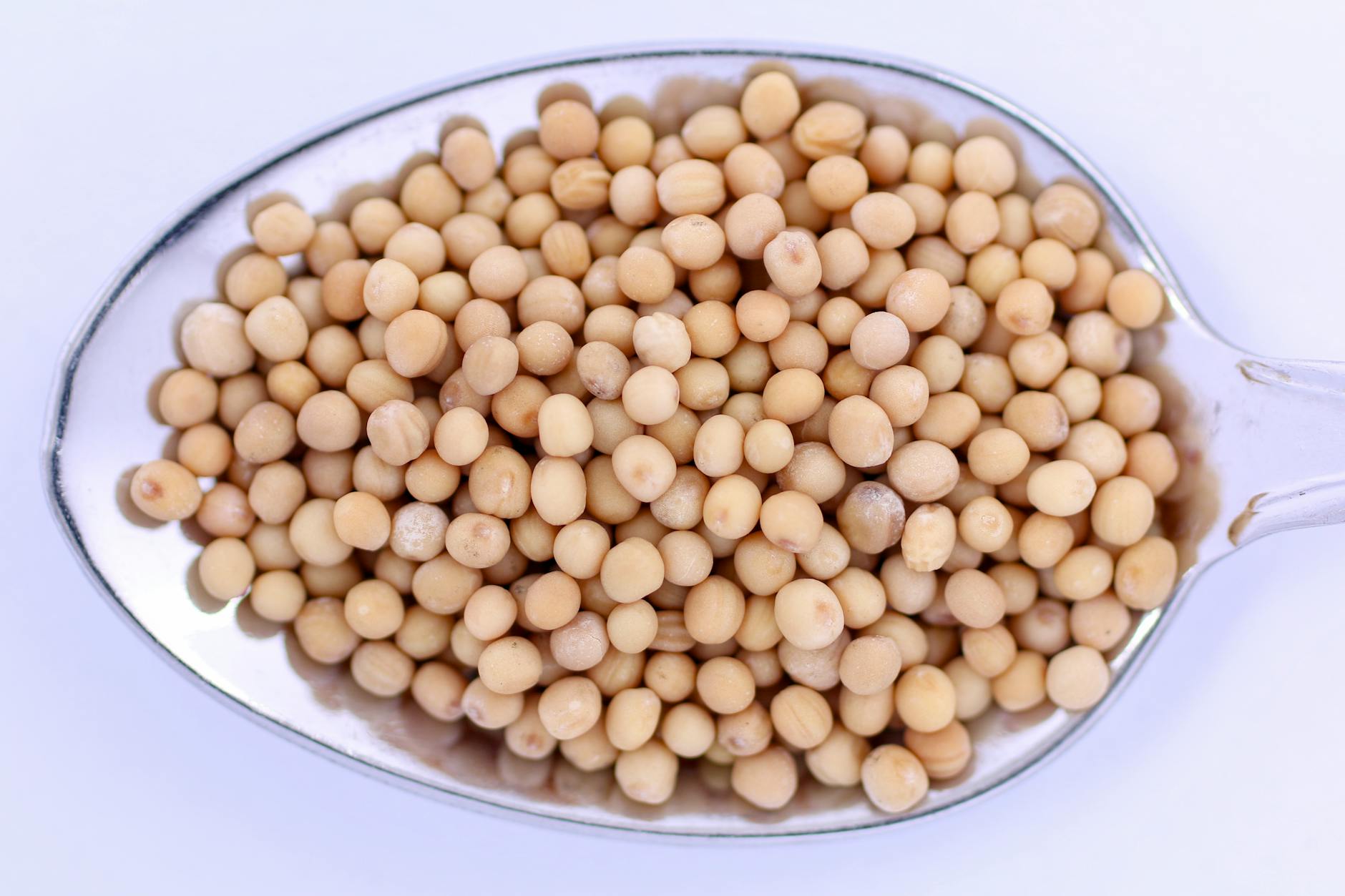
We live in a culture of speed. We rush to the point. We rush to the solution. We rush to the applause. But Jesus taught us that the kingdom of God is like a mustard seed. It starts small. It starts quiet. It starts with something that looks insignificant to the world.
Try this: For the next three days, when you feel the urge to react—when you’re stuck in traffic, when the email comes, when the kid spills the juice—pause. Just for ten seconds. Visualize yourself riding a donkey. Not a horse. A donkey. Slow. Steady. Gentle.
Ask yourself: Am I trying to win this moment, or am I trying to be present in it?
Jesus didn’t rush into the temple to start a riot. He walked in. He observed. He acted with intention. He didn’t need the crowd to validate his mission. He knew who he was.
That’s the secret. We don’t need to shout Hosanna to be valid. We don’t need to wave our palm branches high enough for the world to see. We just need to be where we are, riding the donkey of our daily obedience.
And maybe, just maybe, that’s enough.
The crowd went home. The disciples went back to their fishing nets. Jesus went to the cross. But the message remained. The King is here. He is gentle. He is riding a donkey. And he is coming for you, not to crush you, but to carry you.
So, where are you right now? Are you waiting for the noise to stop? Or are you ready to start walking?