It’s July. The air outside is thick, that heavy, humid warmth that clings to your skin before you’ve even moved. You might be sitting on a porch with a glass of iced tea that’s sweating faster than you can drink it, or maybe you’re just staring at the ceiling, waiting for a fan to kick on. It’s the sort of stillness that feels less like peace and more like a pause button.
We live in a culture that hates the pause. We want the launch, the reveal, the "I’m back." We want the resume to show a straight line up. But if you’ve ever tried to start something new—a diet, a business, a relationship, a deeper walk with God—you know how jarring the transition can be. There’s the old life. Then there’s the messy, awkward middle. And then, finally, the new life.
Most of us rush the messy middle. We skip the waiting room. We want to jump from "deciding" to "doing."
But look at Jesus.
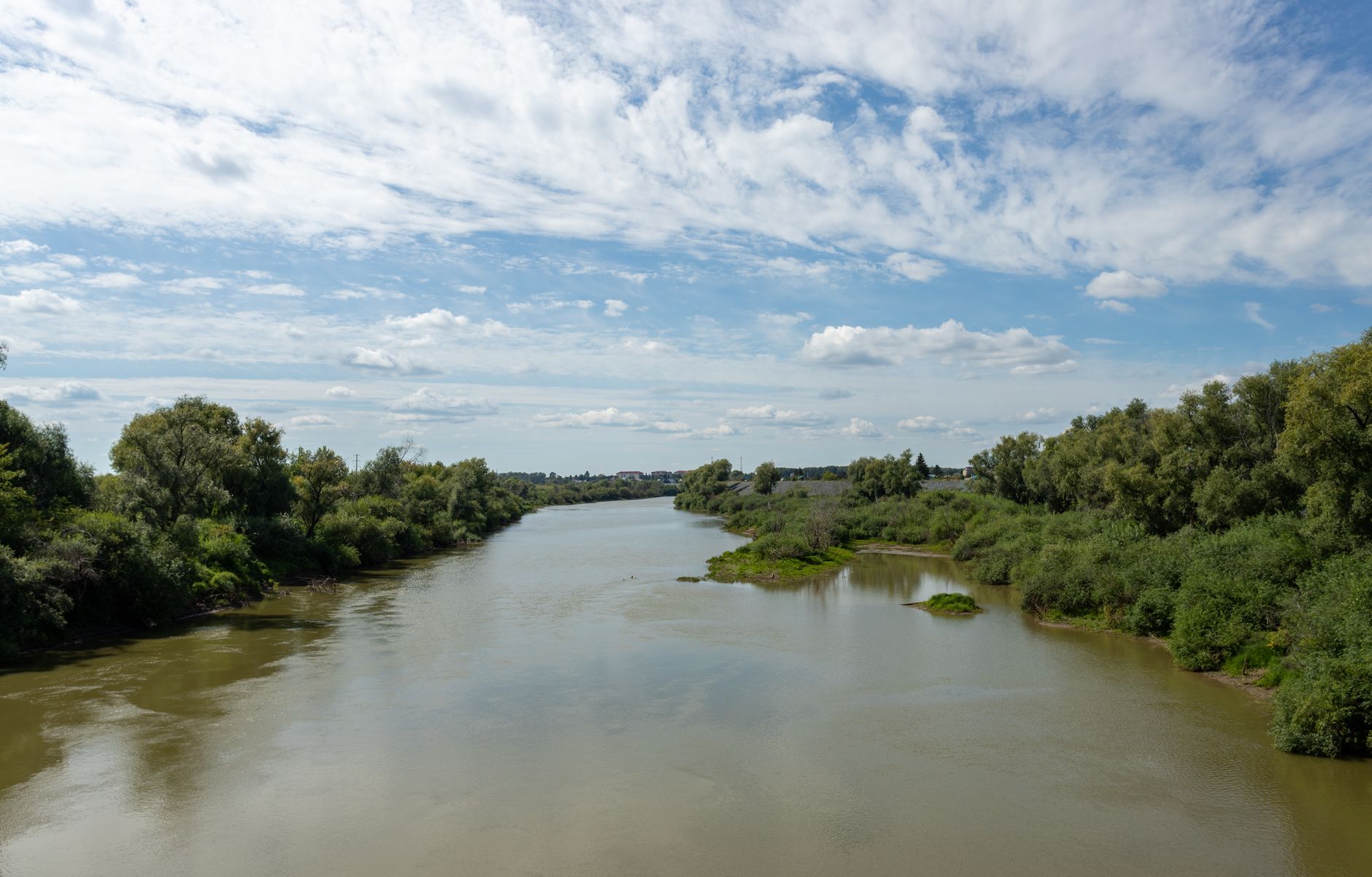
He didn’t jump. He didn’t launch a marketing campaign. He didn’t send out his first tweet. He went to the Jordan River. He stood in the mud. He let John dunk him under the water.
It sounds simple, almost boring. But that moment——is one of the most explosive, defining moments in the entire Bible. It’s the launchpad. And it’s a map for how we begin, too.
The Problem: The Awkwardness of Starting
Let’s be honest. Starting is terrifying.
Think about your own baptism, or the moment you first stepped into a new faith community. You felt it, didn’t you? The vulnerability. The exposure. You were standing in the water, fully visible, fully known, and you had no control over who was watching or what the water temperature was.
We fear being seen. We fear being "uncovered."
John the Baptist was struggling with this too. In , we read: "But John tried to deter him, saying, 'I need to be baptized by you, and do you come to me?'"
John knew Jesus. He knew He was the Lamb of God. So why did Jesus need baptism? John thought it was backwards. It was like asking the CEO to work the front desk. It was awkward. It felt undignified.
And maybe you feel that same awkwardness when you start praying again. Or when you decide to forgive someone who doesn’t deserve it. Or when you step into a season of silence after years of noise. You feel like you’re back at square one. You feel like you’re just standing in the mud, waiting for a voice that might not come.
We think starting requires strength. We think we need to be polished, prepared, and powerful before God uses us.
That’s the lie.
The Promise: Identity Before Activity
Jesus’ response to John is the key. "Let it be so now," Jesus said. "It is proper for us to do this to fulfill all righteousness." ().
Then, the heavens opened.
"As soon as Jesus was baptized, he went up out of the water. At that moment heaven was opened, and he saw the Spirit of God descending like a dove and alighting on him. And a voice from heaven said, 'This is my Son, whom I love; with him I am well pleased.'" ().
Notice the order.
- The Submersion: Jesus went into the water. He identified with us. He didn’t stay dry and superior; he got wet and humble.
- The Descent: The Spirit came down.
- The Declaration: The Father spoke. "This is my Son... I am well pleased."
Here is the critical truth we often miss: God declared Jesus’ identity before Jesus started his public ministry.
He didn’t say, "You’re my Son because you’ll heal the sick and preach the sermons." He didn’t say, "You’re approved once you’ve survived the wilderness temptation." He said, "You are my beloved. You are my pleasure. You are mine."
The voice came before the work.
We get this backward. We think, "If I do enough good things, God will be pleased with me." Or, "If I achieve this level of spiritual maturity, then I’ll be secure."
No. The promise is that you are already loved. You are already accepted. The baptism isn’t the price of admission; it’s the proof of belonging.
I’ll be honest, I used to read this passage and feel a bit of distance from it. Jesus was perfect. He didn’t need repentance like we do. John’s baptism was a "baptism of repentance for the forgiveness of sins" (). So why did Jesus, the sinless one, get dipped?
Because He was identifying with us. He was stepping into our mess. He was taking His place in the line of humanity, saying, "I’m with you. I’m in the mud with you."
And when the Father said, "I am well pleased," it wasn’t just about Jesus. It was a preview of what happens to us. When we go into the water—when we surrender, when we publicly say "I’m yours"—the heavens open. The Spirit descends. And we hear the Father saying, "You are mine."
That’s the spiritual wellness we’re chasing. Not a list of rules to follow, but a relationship to rest in.
The Practice: How to Live This Out
So, how do we take this ancient, muddy moment and apply it to our hot July afternoons? How do we live out the reality that we are loved before we perform?
Here are three concrete ways to start living this truth this week.
1. Embrace the "Muddy" Beginning
Stop waiting for the perfect moment. Stop waiting until you’re "spiritually ready" to serve, to pray, to forgive.
Start in the mud.
If you want to start a prayer habit, don’t begin with a structured liturgy you memorized. Begin by standing in the shower and saying, "God, I’m tired. Help me." That’s it. That’s the baptism. That’s the submersion. You’re getting wet. You’re identifying with your need.
If you want to forgive your brother, don’t wait until you’ve analyzed every detail of the argument. Just say, "Lord, I choose to release him. I’m stepping into the water."
The messiness isn’t a bug; it’s the feature. God meets us in the awkwardness. He meets us when we’re clumsy. He meets us when we’re just standing there, unsure of what to do next.
2. Listen for the Whisper Before You Do the Work
We are obsessed with activity. We think spiritual growth is about doing more. But Jesus’ model shows us that the first step is hearing.
After Jesus was baptized, the Spirit drove him into the wilderness (). But before that, he listened.
This week, try a "Silent Hour." Turn off the phone. Turn off the podcast. Sit in a chair. Don’t ask for anything. Don’t confess anything. Just listen.
Ask yourself: "Who does the Father say I am?"
Is it "The Doer"? "The Achiever"? Or is it "The Beloved"?
Write it down. Let it sink in. When you start your day, start with the declaration, not the to-do list. "I am loved. I am accepted. Now I can work."
3. Let Your Baptism Be a Boundary, Not a Badge
We often treat baptism like a trophy we can hang on the wall of our souls. "Look what I did. Look how committed I was."
But baptism is a boundary. It’s the line where "my life" ends and "His life" begins.
This week, when you feel the pressure to perform—when your boss critiques your work, when your spouse sighs at your mess, when you feel guilty for a sin you’ve already confessed—remember the water.
The water washed you. It didn’t just clean you; it marked you. It set you apart.
When the noise of the world tries to define you, step back into the mental water. Remind yourself: "I was submerged. I was covered. I am His."
The Wider Lens
It’s easy to keep Jesus’ baptism personal. My baptism. My identity. My peace.
But look at the bigger picture. Jesus didn’t just go into the water for Himself. He went to fulfill all righteousness. He was inaugurating the new creation.
When the Father said, "This is my Son," He was declaring the beginning of the restoration of all things. And we are in that story. We are in the same water.
Think of the early church. They were scattered, persecuted, and confused. They didn’t have the Gospels written down yet. They didn’t have a theological seminary. What did they have? They had the memory of Jesus. They had the story of the water and the voice.
They knew that if Jesus—the perfect one—had to get wet, then their messiness was okay. They knew that if the Father was pleased with Jesus before the cross, then they were accepted now.
This truth echoes across the whole story of God’s people. From Adam hiding in the bushes to Noah stepping off the ark, from Abraham leaving Ur to the disciples leaving their nets, God’s people have always been called out of the old and into the new.
But it’s not just about individual salvation. It’s about a community that lives in the confidence of being loved.
When we stop performing and start resting, we change the atmosphere around us. We become less anxious, less judgmental, less hurried. We become a people who can say, "I am not defined by my output. I am defined by my Father’s voice."
That’s the kind of peace that doesn’t just survive the summer heat. That’s the kind of peace that cools the soul.
So, take a breath. Feel the humidity. Listen for the whisper.
You are His. You are loved. And the work can wait.