When God Delays: Finding Hope in John 11’s Resurrection
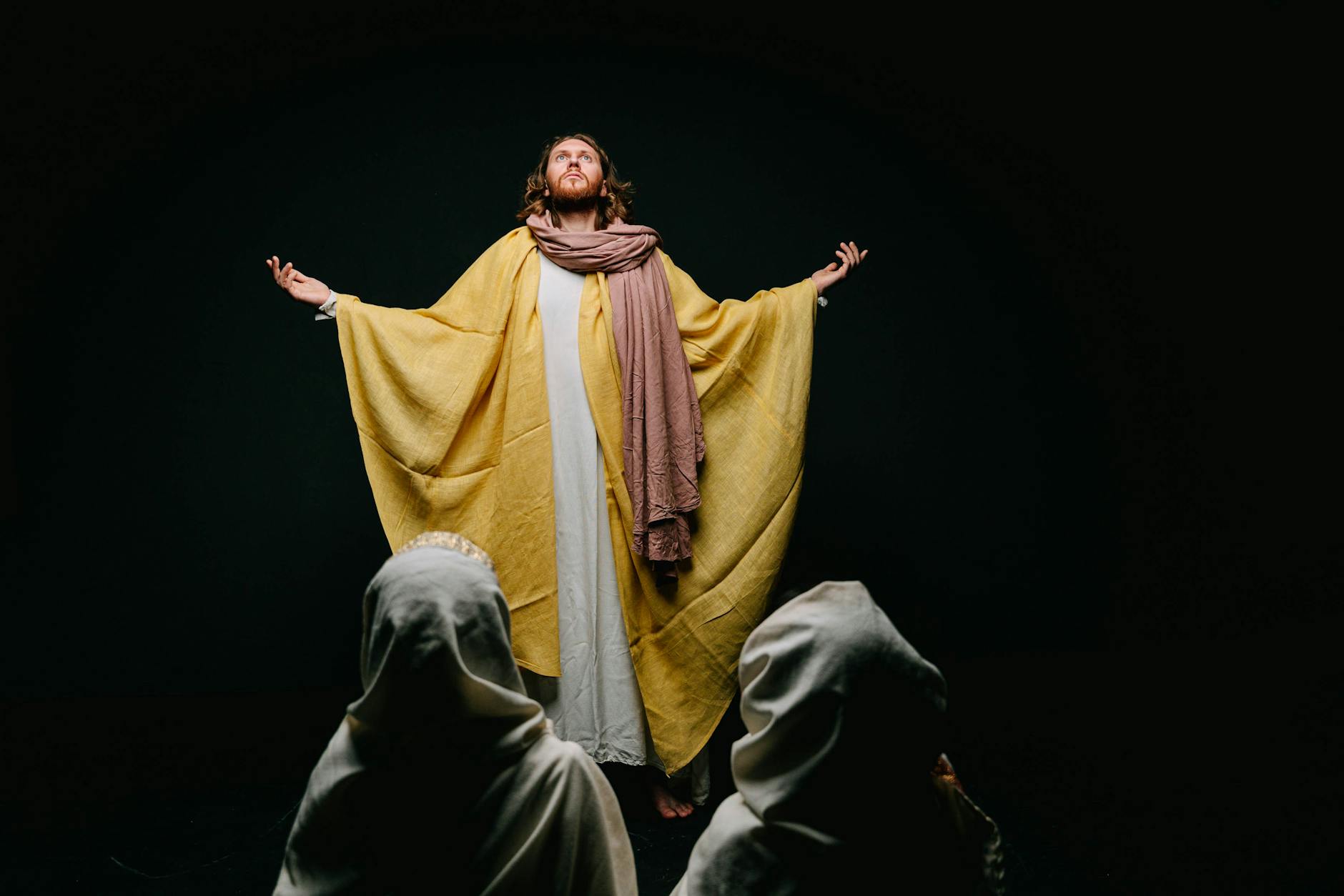
The house on the hill smelled like wet wool and old stone. It was a cold, damp chill that settled in your bones, the kind that made you pull your cloak tighter and forget to shiver. Mary was sitting on the floor, her back against the wall, staring at the closed door. She wasn’t crying anymore. The tears had dried up hours ago, leaving that sticky, salty crust that itches when you blink. Lazarus had been there four days. Four days in the tomb. The smell was already starting to rise from the cave, a heavy, sweet rot that clung to the back of your throat.
You know that feeling. It’s not just grief. It’s the specific, hollow ache of waiting when you know the answer is "too late." It’s the moment you’ve checked your bank account, read the final report, or looked at the doctor’s face and realized the window for fixing it has slammed shut. You’re still here, but the thing you loved is gone.
That’s the scene. And it’s why this story hits different on a Tuesday afternoon in November, or a quiet Sunday in April.
The God Who Waits
We tend to rush through John 11. We skim past the grief, past the delay, past the smell. We want to get to the miracle. We want the power move. But if you slow down, you’ll see that Jesus wasn’t just showing off. He was teaching us how to wait when God seems asleep.
When the messengers arrived from Bethany, Jesus didn’t jump into a chariot. He didn’t sprint. He stayed where he was for two more days. The text says he loved Martha and Mary and Lazarus, yet he delayed. Why?
Because the delay was the point.
If Jesus had arrived on day three, Lazarus would have been a corpse, maybe even decomposing. If he arrived on day one, it would have been a recovery. But on day four? On day four, death was final. The family expected him to come quickly. They expected the miracle to be a healing. Instead, Jesus gave them a resurrection.
And here’s the thing about resurrection: it costs more than healing. Healing restores what was broken. Resurrection gives you what was lost.
I’ll be honest, I used to read this and feel a bit frustrated with Jesus. Why did He wait? I mean, if He knew Lazarus was sick, why not send a text? Why not send an angel? Why let the funeral happen? Why let the tomb seal? It felt like divine indifference. Like God was watching the clock, waiting for the perfect moment to strike.
But look closer at verse 25. Jesus doesn’t say, "I will heal him soon." He says, "I am the resurrection and the life."
He doesn’t promise to prevent the death. He promises to conquer it.
The Tension of "Yet"
Martha’s confession in verse 21 is one of the most human moments in the Gospels. She meets Jesus, and her first words are a complaint wrapped in faith. "Lord, if you had been here, my brother would not have died."
Notice the "if." It’s not a denial of God’s power. It’s a statement of fact. If you had been here, he would be alive. But then comes the pivot. "But even now I know that God will give you whatever you ask."
That “even now” is the hinge of the whole chapter.
We live in the "even now." We live in the space between the prayer and the answer. Between the diagnosis and the cure. Between the job loss and the provision. We are stuck in the "even now," wondering if God heard us, or if He’s just standing there, watching the dust settle.
Martha thought Jesus could fix it. She didn’t think He could reverse it. She thought He was a mechanic, not a creator. And Jesus lets her believe that for a moment before He upgrades her theology.
He asks her the question that haunts every believer at some point: "Do you believe this?"
It’s not a test. It’s an invitation.
And Mary? Mary doesn’t argue. She doesn’t preach. She just falls at his feet. The Bible says she did what Martha did—sat at the feet of the Lord and wept. But the text emphasizes her silence. Sometimes, the only prayer you can offer is presence.
Tears Before Triumph
Finally, Jesus goes to the tomb. A cave. A stone. A grave.
"Take away the stone."
Martha objects, of course. "Lord, by this time there is a stench, for he has been dead four days."
Practicality. That’s Martha’s gift and her trap. She’s right. It smells. It’s too late. It’s messy. But Jesus isn’t looking for logical; he’s looking for faithful.
"Did I not tell you that if you believe, you will see the glory of God?"
They move the stone. It’s heavy. It’s awkward. It takes several men to roll it away. And then Jesus raises his voice. Not a whisper. A command.
"Lazarus, come out."
And the dead man comes.
Think about that. The voice of Creation spoke to the dust, and the dust obeyed. Lazarus didn’t crawl out. He was pulled out. He was called out. He didn’t earn it. He didn’t pray for it. He just lay there, waiting for the voice that knew his name.
And he came out bound.
Here’s the detail most of us miss. When Lazarus walked out, he was still wrapped in grave clothes. Strips of linen around his hands and feet. A cloth over his face. He was alive, but he was still bound. He needed someone to unwrap him.
Jesus tells them, "Unwrap him, and let him go."
They had to do the work. They had to loosen the strips. They had to lift the cloth.
It’s a beautiful picture of what happens after the miracle. God gives us new life, but we still have to learn to walk in it. We still have to unwrap ourselves from the old ways, the old fears, the old habits. And sometimes, we need the community to help us loosen the linen.
Living in the "Even Now"
, right now, in the weeks after Easter?
Easter Sunday is a celebration. It’s loud. It’s bright. It’s the victory party. But the weeks after? The weeks after are where we live. The weeks after are where we face the "four days."
We face the chronic illness that hasn’t healed. The marriage that hasn’t mended. The career that stalled. The grief that hasn’t left.
And Jesus is still there.
He’s not just the God of the big miracles. He’s the God of the small, sticky, smelly moments. He’s the God who waits until it’s "too late" so that when He moves, you can’t blame it on timing. You can’t blame it on luck. You can only call it grace.
And when He moves, you’ll be bound. You’ll still have your grave clothes on. You’ll still have the linen strips of anxiety, or fear, or old habits wrapped around you.
But that’s okay. Because the voice that called Lazarus is the same voice that speaks to you. And He says, "Come out."
And He also says, "Unwrap him."
So you don’t have to figure it all out today. You don’t have to heal yourself. You just have to listen for the Voice. And then, you let the community help you unwrap.
It’s not a checklist. It’s a relationship. It’s a trust that the One who waited four days won’t abandon you in the fourth hour.
The tomb is not the end. The stone is not the barrier. The smell is not the final word.
He is the resurrection. And He is the life.
And if you’re sitting in your car right now, staring at the steering wheel, wondering if God heard you… He did. He’s just waiting for you to believe that it’s not too late.
Not yet.