Trusting the Unseen
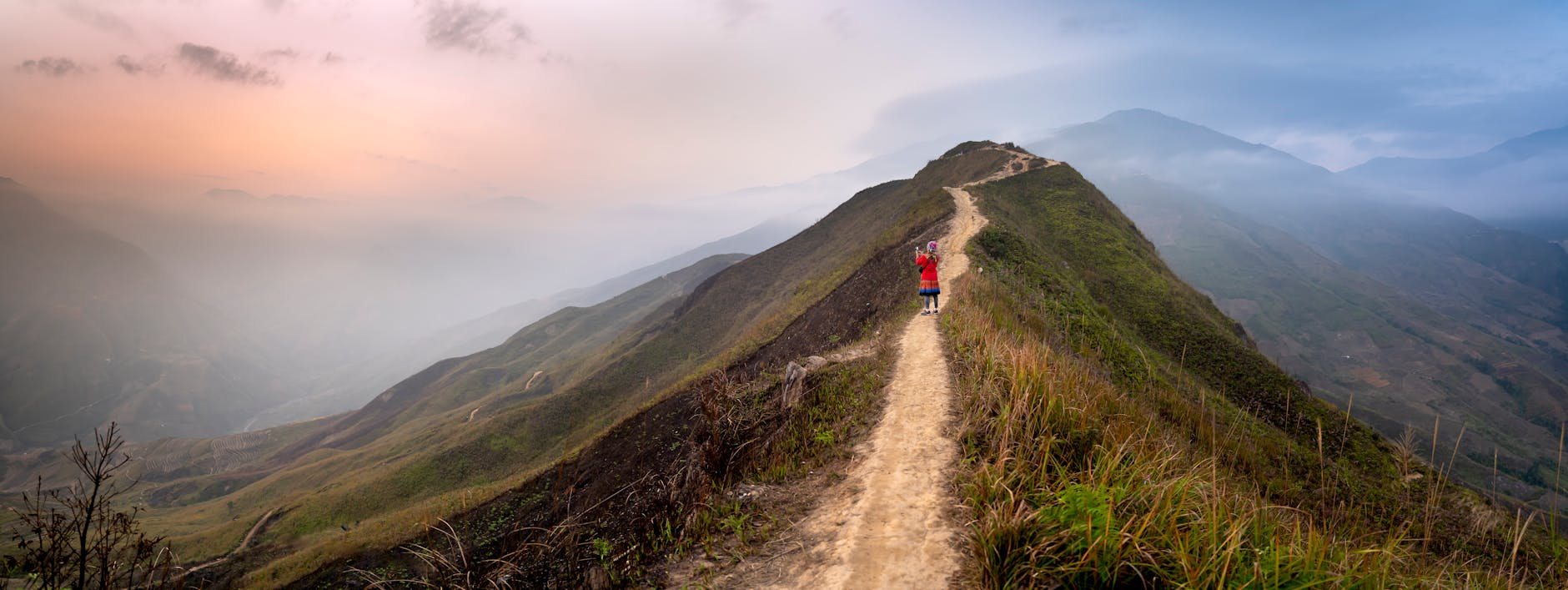
Can you really trust what you can't see?
This question haunts me — it's the essence of living by faith. We're told in — "For we live by faith, not by sight" — but what does that even mean in everyday life? It's easy to say, harder to do. I recall a moment when I had to trust this verse implicitly - during a family crisis, when my grandmother was hospitalized, and we had to make critical decisions without knowing the outcomes. In that darkness, I found solace in the knowledge that our collective faith could be a beacon, guiding us through the uncertainty.
What is Faith, Anyway?
Faith isn't just about believing in something; it's about trusting it enough to act on it. Like investing in a relationship or a career — you can't see the future, but you move forward because you believe it's worth it. The Bible says in — "Now faith is the substance of things hoped for, the evidence of things not seen" — but how do we apply this in a world where we're constantly tempted to trust what we can see and touch?
I'll be honest, I've struggled with this too. There have been times when I felt like I was walking through a dark room, hands outstretched, hoping to find a wall to lean on. And then I read — "Your word is a lamp for my feet, a light on my path" — and it reminded me that even in the darkest moments, God's word is my guide.
How Do We Trust What We Can't See?
It's not easy. We're wired to respond to what we can see and hear. But faith asks us to have confidence in a reality beyond our senses. It's like trying to describe a color to someone who was born blind — you can't just show them; you have to help them imagine. The story of Thomas in comes to mind — he needed to see to believe, but Jesus tells him, "Because you have seen me, you have believed; blessed are those who have not seen and yet have believed."
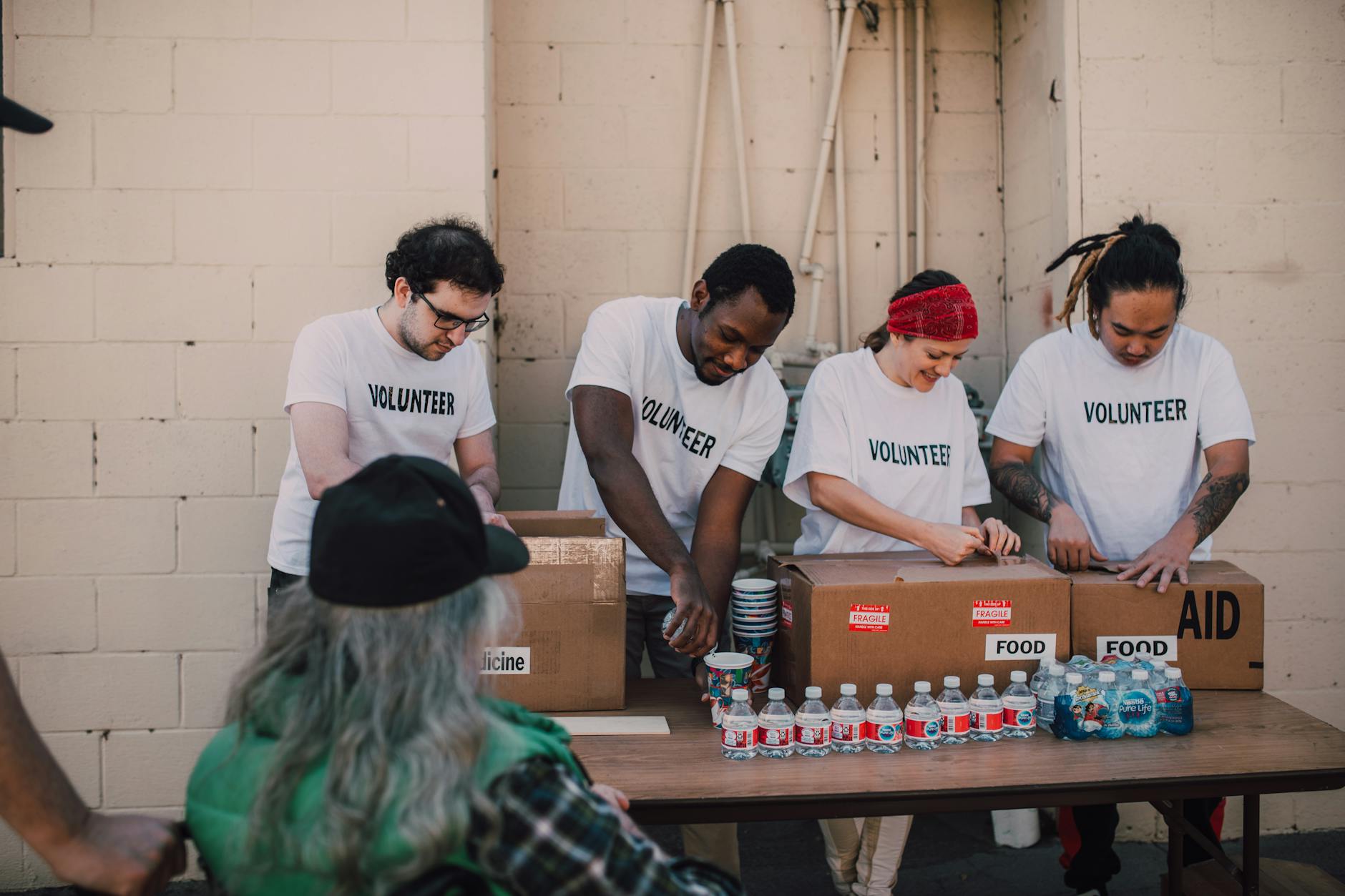
And yet, we're all a bit like Thomas. We want proof. We want to see the blueprint before we start building. But embracing our faith means taking a leap, even when the path ahead is unclear. What if this is the moment when everything changes? For instance, when I decided to volunteer at a local soup kitchen, I didn't know how it would impact my life or the lives of those I served. But that act of faith led to unexpected friendships and a deeper understanding of my community's needs.
Can We Really Live by Faith in a World That Values Sight?
We live in a society that celebrates tangible achievements, where success is often defined by material possessions. But our values are rooted in something deeper — the love we share, the hope we inspire, the lives we touch. reminds us, "Do not store up for yourselves treasures on earth, where moths and vermin destroy, and where thieves break in and steal. But store up for yourselves treasures in heaven, where moths and vermin do not destroy, and where thieves do not break in and steal. For where your treasure is, there your heart will be also."
It's a bit like the difference between a diamond and a piece of glass — they might look similar, but one has value that goes far beyond its appearance. When we prioritize our spiritual growth, we start to notice the intangible connections that bind us — the kindness of a stranger, the generosity of a friend, the beauty of a sunset.
What Happens When We Choose to Walk in Faith?
Something shifts. Our perspective changes. We begin to see the world through different eyes — eyes that notice the subtle threads of hope and love that weave our lives together. We realize that our faith journey isn't just about having an unwavering belief; it's about getting a deeper understanding of the world and how it works. says, "For in this hope we were saved. But hope that is seen is no hope at all. Who hopes for what they already have? But if we hope for what we do not yet have, we wait for it patiently."
And that's the thing — following our faith isn't always straightforward. There are moments when doubt creeps in, when fear whispers in our ear. But in those moments, we have a choice — to rely on our physical senses or to lean into our spiritual intuition. To take the next step with courage, even if the path is shrouded in uncertainty, and to find the strength to face our fears one step at a time, no matter what challenges we're facing. As I reflect on my own journey, I'm reminded of a conversation with a friend who was struggling to find purpose after a significant loss. Together, we found comfort in the idea that our faith could be a catalyst for healing and growth, even in the face of adversity.
In the end, it's about finding the strength to move forward with courage. The darkness will always be there, but so is the light. And when we choose to follow our faith, we begin to see that the light is not just a destination; it's a journey. A journey of trust, of hope, of love.
—