Prayer's Impact on Health
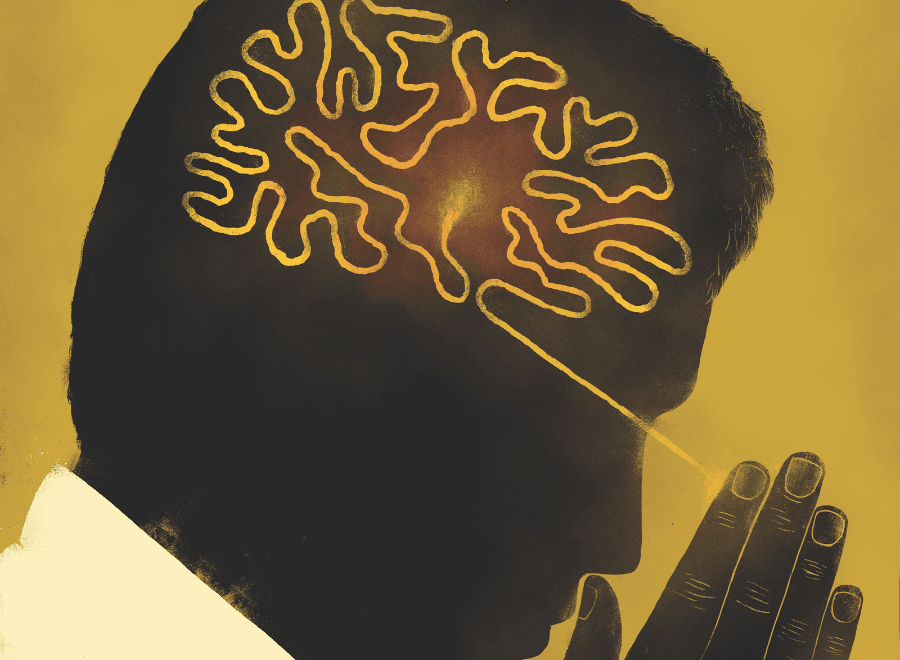
Prayer and Its Impact on Health
Prayer has been a part of human existence for as long as we can remember. It is a practice that has been used by people from all walks of life to connect with a higher power, seek guidance, and find comfort in times of need. While prayer is a personal and spiritual practice, there is also a growing body of scientific evidence that suggests prayer has tangible benefits for our physical and mental health.
The Benefits of Prayer for the Mind
Research has shown that prayer can have a beneficial effect on our mental health. One study found that individuals who engage in prayer are more resilient in the face of adversity, and they experience fewer symptoms of depression and anxiety. Another study discovered that prayer is linked to decreased stress and anxiety levels. Prayer calms the mind, easing feelings of tension.
Prayer provides emotional stability. For instance, I recall a particularly challenging time in my life when I found solace in prayer, and it helped me navigate my emotions. Studies have shown that those who pray regularly tend to exhibit greater emotional balance and are better equipped to cope with life's difficulties. I've seen this in my own life, where prayer has been a source of comfort during difficult moments, such as when I was struggling to come to terms with a personal loss - in those moments, prayer helped me find the strength to keep moving forward. I also remember a time when I was feeling overwhelmed by a looming deadline, and I took a few minutes to pray and collect my thoughts. This brief pause allowed me to approach the task with renewed clarity and focus.
The Benefits of Prayer for the Body
Prayer appears to offer physical health benefits as well. For example, one investigation revealed that frequent prayer is associated with reduced chronic pain. Prayer also correlates with healthier immune function and lower inflammation. This correlation is seen in the way prayer promotes better sleep habits, which in turn contributes to overall well-being.
Prayer may also play a role in preventing certain health issues. Data suggests that people who pray with some regularity have a lower incidence of heart disease. One expert noted that prayer is connected to healthier blood pressure levels and improved cardiovascular function. By directly influencing mental well-being, prayer reduces the likelihood of developing depression and anxiety disorders, which are known to have a significant impact on physical health.
How Prayer Works
Although the exact mechanisms behind prayer's effects are not yet fully understood, several theories have emerged. It's possible that prayer helps alleviate stress and anxiety by providing a sense of comfort and control. Prayer might also enhance sleep quality by influencing brain activity. One potential explanation is that prayer directly impacts brain function, specifically the parasympathetic nervous system, which regulates relaxation and well-being.
One potential explanation for prayer's impact on sleep is its ability to calm the mind and promote relaxation. This, in turn, results in improved cognitive function and a stronger sense of well-being. As I reflect on my own experiences with prayer, I am reminded of the sense of peace and clarity it brings, even in the midst of challenging circumstances.
Conclusion
Prayer is an integral part of many people's lives, offering numerous benefits for both mental and physical health. While the scientific community continues to explore the ways in which prayer affects us, the existing evidence suggests that it is a valuable component of a healthy lifestyle. Making prayer a part of your daily routine can bring a greater sense of calm and stability to your life, and this can lead to a healthier and more balanced you, with improved mental and physical well-being.