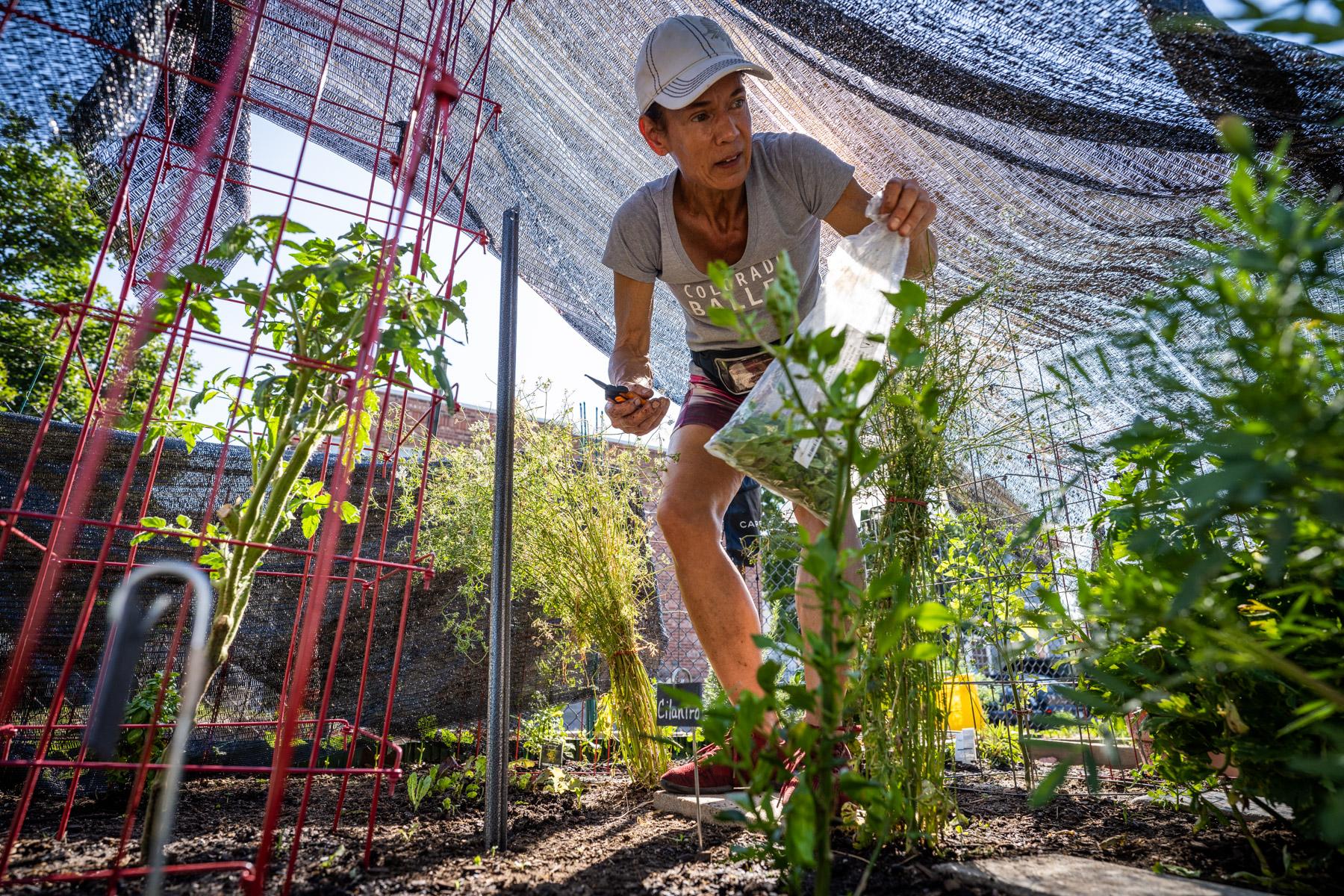
Community Gardens: Sowing the Seeds of Unity and Compassion
Community gardens have become a popular way to foster a sense of community and promote compassion in urban areas. These gardens provide a space for neighbors to get to know each other better, grow their own food, and nurture the environment. In this article, we will explore the impact of community gardens on neighborhood unity and compassion.
Building Community
One of the most significant impacts of community gardens is the building of community. When people come together to work in a garden, they form bonds that can last a lifetime. They share experiences, learn from each other, and build a shared identity. This sense of community can be particularly important for those who live in densely populated cities, where anonymity can be a challenge.
I recall visiting a community garden in my neighborhood, where I met a kind-hearted woman who had been struggling to find her place after moving to a new city. She told me that the garden had become her sanctuary, a place where she could connect with others who shared similar interests. As we walked through the garden, I saw how each plot reflected the unique personality of its owner, with some featuring vibrant flowers, others showcasing carefully pruned shrubs, and all of them revealing the distinct character of the person who tended to it. I also noticed the way people were interacting with each other, exchanging tips and advice, and working together to maintain the garden's common areas. For instance, I saw a young couple teaching their children about the importance of composting and recycling, while nearby, a group of seniors were sharing stories of their own gardening experiences, passing down valuable knowledge to the next generation.
In addition to building community, these gardens offer a unique opportunity for social connection. As individuals work together, they develop trust and a deeper understanding of one another. This, in turn, strengthens relationships and creates a more cohesive neighborhood environment.
Promoting Compassion
Community gardens can also affect people's willingness to support those around them. As individuals work together towards a common goal, they often develop empathy and a greater willingness to lend a hand. I've seen this firsthand in my own community, where a group of volunteers came together to build a garden for a local food bank. The project not only provided fresh produce to those in need but also brought the community together in a shared act of kindness.
These gardens often become a hub for resource sharing and mutual support. By pooling their resources and expertise, individuals can create something truly remarkable. For instance, a local gardening expert might offer workshops on sustainable gardening practices, while another member might share their knowledge of permaculture. This kind of collaboration not only benefits the individual gardeners but also contributes to the greater good of the community. As people work together, they start to see the positive impact they can have on each other's lives, and this realization can lead to even more acts of kindness and generosity.
Participating in a garden project can be a powerful way to combat feelings of disconnection and isolation. By engaging in a shared activity, individuals can rediscover their place within a larger social network. This can make a significant difference in mental and emotional well-being, particularly for those who may be struggling with feelings of loneliness or disconnection in crowded urban environments. I've experienced this personally, as I've found solace in the gentle rhythms of gardening, and I've seen how it can bring people together in a way that transcends words.
Conclusion
When individuals unite to tend to a garden, they forge lasting bonds, cultivate a deeper connection with their environment, and nurture a more caring spirit. These gardens can also play a significant role in mitigating the negative effects of urbanization, such as social isolation and decreased civic engagement. If you are interested in promoting a stronger sense of togetherness and kindness in your neighborhood, consider starting a local gardening initiative. Not only will it make a real difference in your community, but it will also enrich your own life in meaningful ways.