The Art of the Pivot: When Jesus Didn’t Run From Temptation
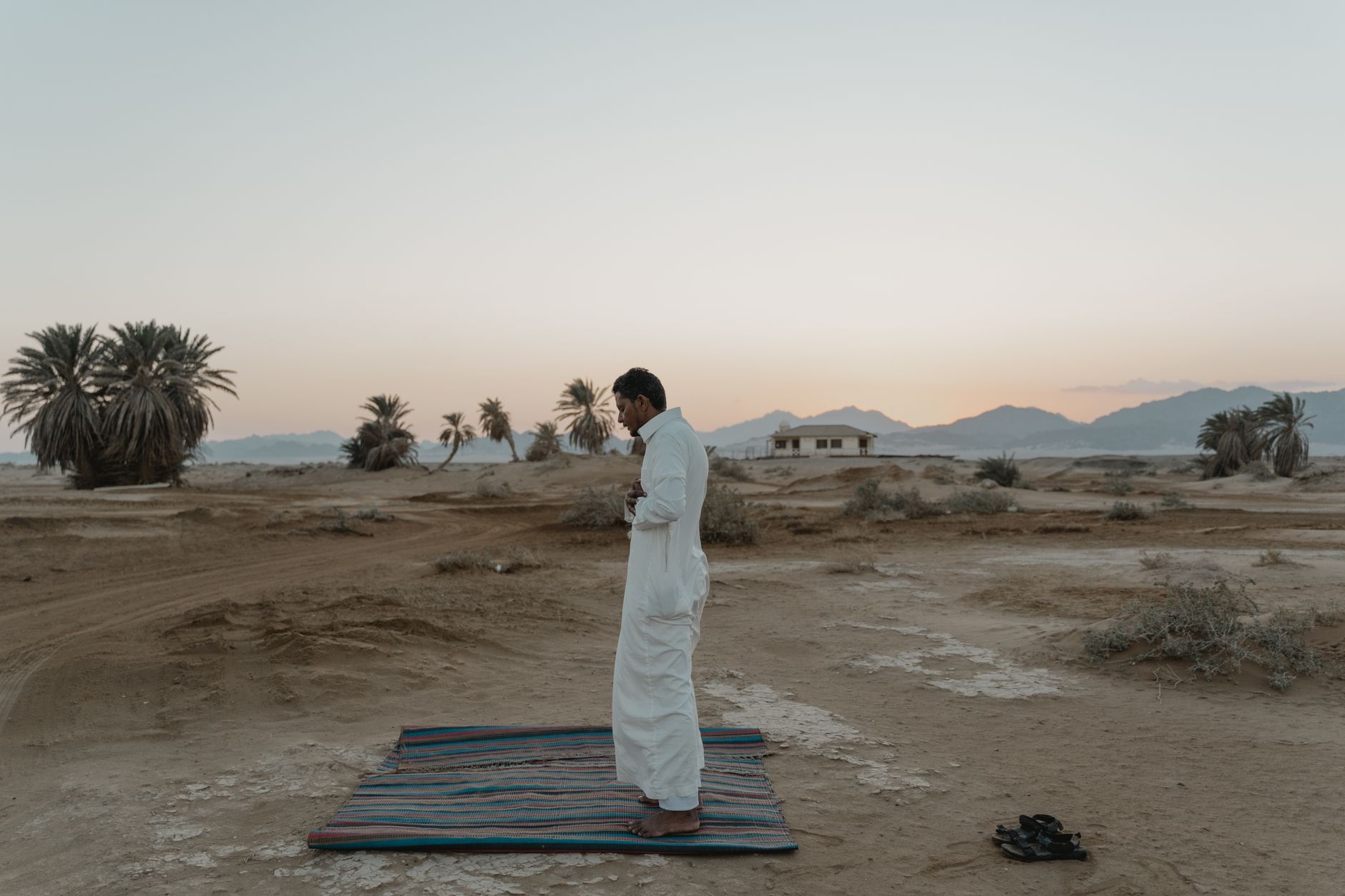
The desert wasn’t just hot. It was hostile. We tend to romanticize the wilderness as a place of quiet retreat, a spiritual retreat center where you go to hear God’s voice over the hum of traffic. But the eremos of the first century was a place of danger. It was dry, jagged, and utterly indifferent to your survival. You went there to be stripped. You went there to see what was left when the noise of the city faded and only your own heartbeat remained.
Imagine Jesus, forty days in. No water. No bread. Just the relentless sun baking the dust into his skin, the dry air scraping his throat. His body was screaming for glucose. His muscles were trembling. And then, the Tempter arrived.
We often read the temptation narrative () as a debate about theology. Turn stones to bread? No, that’s gluttony. Throw yourself down? No, that’s presumption. Bow down? No, that’s idolatry. We dissect it like surgeons. But Jesus didn’t fight with theology. He fought with identity.
"Then Jesus was led by the Spirit into the wilderness to be tempted by the devil. After fasting forty days and forty nights, he was hungry. The tempter came to him and said, 'If you are the Son of God, tell these stones to become bread.' Jesus answered, 'It is written: “Man shall not live on bread alone, but on every word that comes from the mouth of God.”'" ( NIV)
Notice the first word of the enemy’s challenge: If.
"If you are the Son of God..."
It’s a subtle shift. It’s an invitation to doubt your identity based on your circumstances. You’re hungry. You’re alone. You’re tired. Does that really make you the Son? Prove it. Do something big. Fix your belly first. Secure your status.
For us, temptation rarely looks like a dragon breathing fire. It looks like a whisper in the shower. It looks like the scroll on your phone. It looks like the quiet urge to take matters into your own hands because waiting feels like suffering.
I’ll be honest, I’ve struggled with this specific flavor of temptation for years. It’s the "Prove It" trap. We live in a culture that equates visibility with validity. If you’re not posting, are you even there? If you’re not leading, are you even useful? If you’re not wealthy, is God really with you?
The enemy wants us to believe that our identity is something we manufacture. That we are the authors of our own significance. And when the pressure hits—when the rent is due, when the diagnosis comes back, when the silence from God feels deafening—we start scrambling. We turn stones into bread. We try to force a blessing because we can’t bear the uncertainty of simply being who we already are.
But Jesus didn’t scramble. He didn’t panic. He didn’t even argue at length. He pivoted.
He shifted the focus from action to authority. He anchored himself in the only thing that couldn’t be shaken: the Word.
"Jesus answered, 'It is written: “Man shall not live on bread alone, but on every word that comes from the mouth of God.”'" ( NIV)
This is the pivot. It’s not just a quote; it’s a reorientation. Jesus was saying, My hunger is real. My weakness is real. But my Father’s promise is truer. He chose to remain in the state of dependence rather than seize independence.
Here’s the hard truth we often miss: Temptation isn’t just about doing wrong. It’s about trusting the wrong thing. It’s about believing that God is withholding good from you, or that He’s not powerful enough to give it in His way, so you’ll have to take it yourself.
We think of faith as a muscle we flex to push away sin. But real faith is often just a quiet pivot back to truth when the noise gets loud.
I remember sitting in my car in a grocery store parking lot a few years ago. It was early summer, the kind of warm, golden hour that usually feels like peace. But I was angry. Not at anyone in particular, just a deep, simmering resentment about a decision I’d made that hadn’t panned out. I felt foolish. I felt abandoned.
The temptation wasn’t to drink wine or cheat on my wife. The temptation was to fix it. To call the one person who could make it right. To send the text. To force the door open. I felt like I was starving for control, and the world offered me bread in the form of a quick solution.
I could have reached for my phone. I could have turned the stone into bread. But instead, I just sat there. I closed my eyes. And I whispered the only thing I had left. "You are good. You are faithful. I don’t have to fix this right now."
It wasn’t a dramatic miracle. The problem didn’t vanish. But the anger lost its grip. I had pivoted. I had chosen to trust the Character of God over the Circumstances of my life.
That’s what Jesus did. He didn’t deny the hunger. He didn’t pretend he wasn’t tired. He just refused to let the hunger dictate his identity.
"Furthermore, he said, 'If you are the Son of God, throw yourself down. For it is written: “He will command his angels concerning you,” and, “On their hands they will lift you up, lest you strike your foot against a stone.”’ Jesus answered him, 'It is also written: “Do not put the Lord your God to the test.”'" ( NIV)
The second temptation is even more insidious because it uses Scripture. The devil quotes Psalm 91. He uses the truth, but he twists the context. He turns God’s protection into a spectacle.
"Throw yourself down. Let God prove Himself. Let the angels catch you. Make it visible."
It’s the temptation to perform for God. To demand a sign. To treat faith like a magic trick where you toss yourself off the temple and wait for the divine parachute. It’s confidence, sure, but it’s a specific kind of arrogance. It’s saying, "God, I don’t trust You unless You perform."
Jesus calls it out: "Do not put the Lord your God to the test." ( NIV)
Testing God is different from trusting God. Trusting God means obeying Him when the outcome is unknown. Testing God means demanding a specific outcome before you’ll obey. It’s putting God on trial. "If You’re really God, do this. If You’re really God, show me."
We do this all the time. We pray for direction, but we only accept the answer that fits our timeline. We read the Bible, but we only listen to the verses that validate our current mood. We want a God who confirms us, not a God who conforms us.
And the third temptation? The big one. The kingdom of the world. The glory. The speed.
"Again, the devil took him to a very high mountain and showed him all the kingdoms of the world and their glory. And he said to him, 'All these I will give you, if you will fall down and worship me.' Then Jesus said to him, 'Be gone, Satan! For it is written: “You shall worship the Lord your God and him only shall you serve.”'" ( NIV)
The enemy offered Jesus a shortcut. The cross was the long way. Suffering. Betrayal. Death. The slow, agonizing dismantling of glory. The devil offered the crown without the cross. Instant authority. Global influence. No pain.
Just one bow. One act of worship to the wrong power.
Jesus didn’t just say "No." He said, "Be gone." And then he anchored it in worship. "You shall worship the Lord your God and him only shall you serve." ( NIV)
Temptation is always a worship issue. Who are you serving? Your own appetite? Your own comfort? Your own timeline? Or the God who created you?
We think we’re resisting sin. But really, we’re resisting the false god of control. We’re trading the slow, steady work of the Spirit for the quick fix of the world.
So, how do we live this out? Not just in the desert, but in the kitchen, in the office, in the parking lot?
It starts with recognizing the pivot.
When the urge comes—and it will come, because we are human—don’t just fight the action. Fight the lie underneath it.
Ask yourself: What am I trying to prove?
Am I trying to prove I’m enough? That I’m safe? That I’m in control?
Then, anchor yourself in the Word. Not as a magic spell to throw at the devil, but as a reminder of who you are.
"But he said to me, 'My grace is sufficient for you, for my power is made perfect in weakness.' Therefore I will boast all the more gladly about my weaknesses, so that Christ’s power may rest on me." ( NIV)
Paul knew this. He begged God to remove his thorn. Three times. And God’s answer wasn’t removal. It was presence. "My grace is sufficient."
Sufficiency. That’s the opposite of the bread temptation. The world says, "You’re lacking, so fill it." The Gospel says, "You’re lacking, and that’s where I’m most present."
We don’t overcome temptation by striving for perfection. We overcome it by resting in grace. We pivot from "I have to fix this" to "God is enough in this."
It’s not easy. I still struggle. Some days, the stones feel like they’re begging to be turned into bread. Some days, the temple feels high enough to jump. Some days, the kingdoms of the world look so shiny and inviting.
But the Spirit is there. He’s not just a theologian in the sky. He’s the Helper. The Comforter. The One who reminds us of the Word.
When the temptation comes, don’t just recite a verse. Breathe it in. Let it settle in your bones. Let it reorient your heart.
And then, wait.
Wait in the heat. Wait in the hunger. Wait in the uncertainty.
Because the victory isn’t in the immediate rescue. It’s in the faithful pivot. It’s in the decision to worship the right God, even when the world looks better, feels better, and sounds more convincing.
The summer air outside is warm now. The days are long. There’s a peace in this season that feels like a gift. But even in the abundance, even in the rest, the temptation to grab, to control, to prove, is still there. It’s just quieter.
So let’s be still. Let’s listen. Let’s remember that we are not defined by our hunger, but by our Father’s promise.
And when the enemy whispers, "If you are the Son..." let us answer, "Yes. And I am enough."