Living the Resurrection
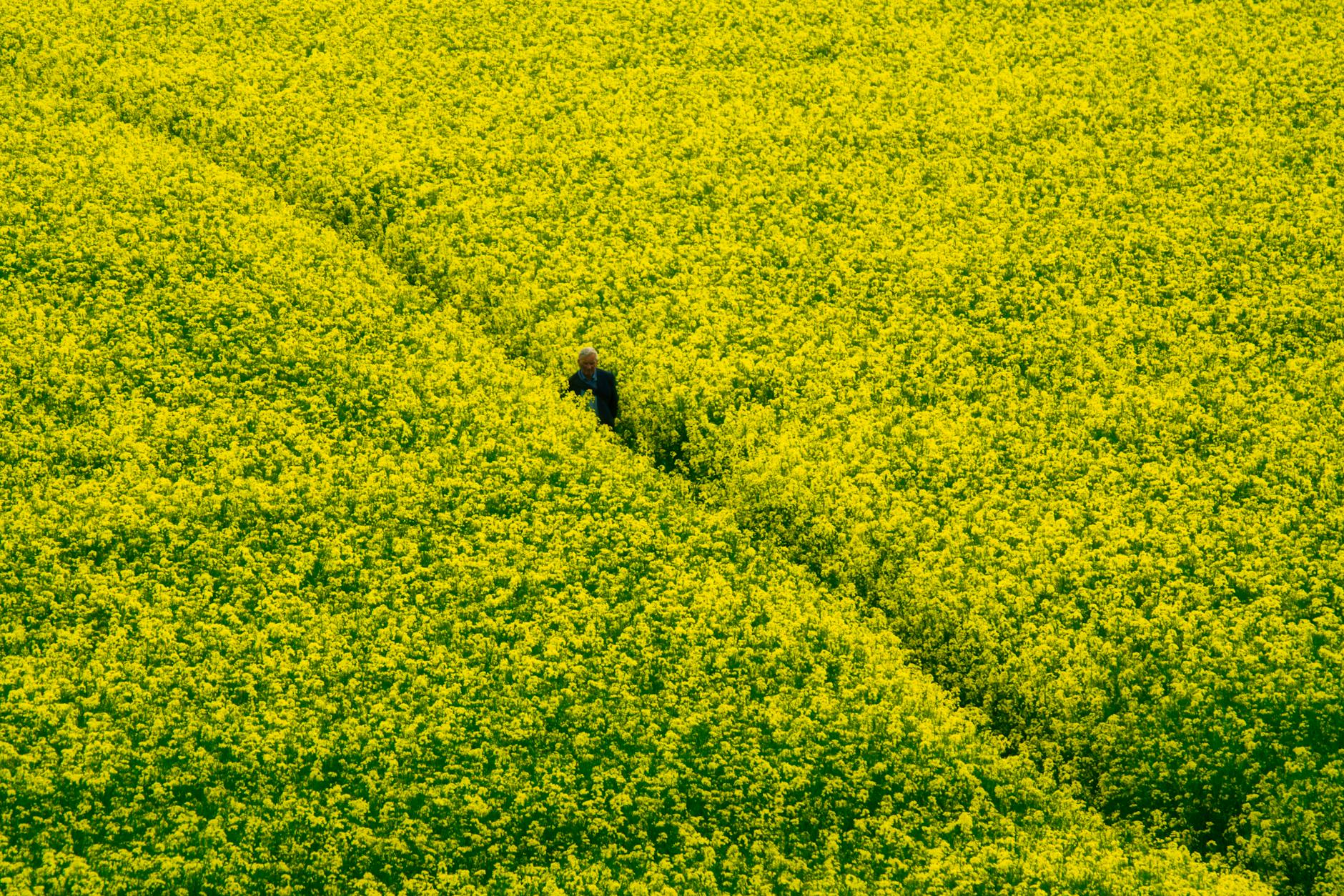
The resurrection changes everything. It's not just a distant hope; it's a present truth that shapes how we live, how we interact with others, and how we respond to challenges. One of the most powerful illustrations of this new truth is found in the Parable of the Sower, a story Jesus told to reveal the mysteries of the kingdom of God.
— "Then he told them many things in parables, saying: 'A farmer went out to sow his seed. As he was scattering the seed, some fell along the path, and the birds came and ate it up. Some fell on rocky places, where it did not have much soil. It sprang up quickly, because the soil was shallow. But when the sun came up, the plants were scorched, and because they had no root, they withered away. Some fell among thorns, which grew up and choked the plants. Other seed fell on good soil, where it produced a crop—a hundred, sixty or thirty times what was sown. Whoever has ears, let them hear.'"
I'll be honest, I've struggled to understand this parable. Is it just about various responses to God's message, or is there more to it? Jesus explains it to his disciples in , but even then, it's not immediately clear.
open up the Parable
The farmer in the story is scattering seed, representing the spread of God's word. The various soils symbolize how people respond to that message. Some hear the word but don't let it take root; it's like the seed that falls on the path or rocky ground. Others are distracted by the worries of this world, and the seed is choked out by thorns.
But then there's the good soil—those who hear the word and understand it, producing a bountiful harvest. This is what we're called to: hearts that not only hear God's word but also respond in a way that honors him.
— "But other seed fell on good soil, where it produced a crop—a hundred, sixty or thirty times what was sown. Whoever has ears, let them hear."
From Hearing to Responding
The key is not just hearing the word but responding to it. When we truly grasp that death has been defeated, it changes how we live. We're no longer just going through the motions; we're living in the light of a new truth. For instance, I've seen this play out in my own life when I've had to deal with loss. It's in those moments that I'm reminded of the power of what God has done, and it gives me the strength to keep moving forward. I recall a particularly tough day when I felt lost, but then I received a kind note from a friend, reminding me of God's presence in my life. It was a small thing, but it helped me shift my focus back to what truly matters. I also think about the times I've been able to share my story with others, and how that's helped me process my own emotions and find healing. Like the time I was able to talk to a friend who was going through a similar struggle, and we were able to support each other in our journeys.
I used to read this parable and feel nothing. It was just a story about how people react to God's message. But as I started to understand the depth of God's love for me, the truth of what Christ accomplished began to sink in. It changed everything.
Living in the Light of What God Has Done
So, how do we live in this new truth? It starts with being intentional about the condition of our hearts. Let's make sure we're not letting distractions get in the way of God's teachings. We need to create space for his words to take root in our lives, to become the foundation of our thoughts and actions.
One way to do this is by being in Scripture regularly. It's not just about reading the Bible; it's about letting its truths sink into our hearts. Prayer is also essential, talking to God regularly about our struggles and doubts. As we do this, we'll find that our hearts become more receptive to his guidance and love. For example, I've found that starting my day with prayer helps me stay focused on what's truly important. And on days when I'm feeling overwhelmed, I try to take a few minutes to journal my thoughts and prayers, which helps me process my emotions and gain clarity.
A Question to Sit With
As I think about the Parable of the Sower, I'm left with a question: What kind of heart do I have? Am I letting God's teachings shape my life, or are distractions getting in the way? And what does it look like for me to live a life that reflects the hope and freedom that comes with knowing God?