Praise in the Dark: Why Paul and Silas Sang in Prison
Singing isn’t just a response to joy; it’s the oxygen of the soul when the air gets thin.
It’s early June, and the heat is already pressing against the windowpanes. The days are long, golden, and heavy with the promise of harvest. You’re sitting on your porch, iced coffee sweating in your hand, watching the light hit the leaves. It’s easy to be grateful here. It’s easy to sing when the sun is high and the birds are doing their morning chorus. But what happens when that warmth fades? What happens when the season turns, and the air grows cold and damp, and the gift of rest feels less like a blessing and more like a waiting game?
That’s the trap we fall into. We treat praise like a reward for good circumstances. We sing because life is going well. We praise God when the diagnosis is clear, when the promotion lands, when the marriage is steady. But when the ground shakes, when the silence stretches too long, we stop. Or worse, we start singing the wrong song—a song of complaint, or worse, a song of indifference.
But the Bible doesn’t give us a seasonal playlist. It gives us a command that applies to the heat and the cold, the abundance and the scarcity.
The Sound of the Storm
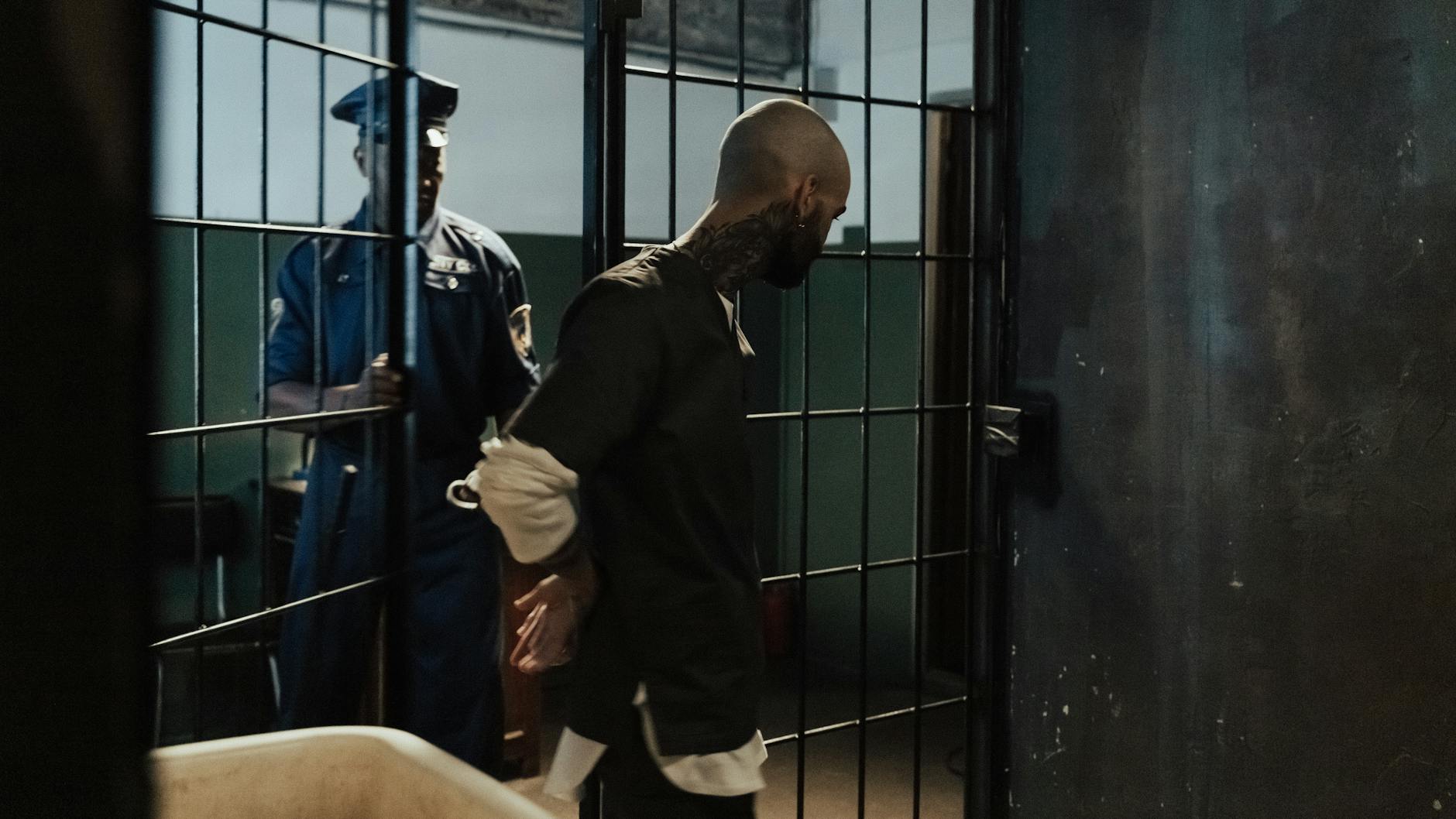
Look at Paul and Silas. (ESV) — “About midnight, Paul and Silas were praying and singing hymns to God, and the prisoners were listening to them, and suddenly there was a great earthquake, so that the foundations of the prison were shaken. And immediately all the doors were opened and everyone's bonds were loose.”
Notice the timing. About midnight. Not at dawn, when the night shift was ending. Not at noon, when the guards were busiest. In the deep, disorienting dark. They were bound. They were in a foreign country. They were likely exhausted. And they were singing.
This isn’t just a happy accident of optimism. It’s an act of spiritual rebellion against the reality of their chains.
I’ll be honest, I used to read this passage and feel a bit guilty. I mean, if I were in a dungeon in Philippi, chained to my neighbor, I’d probably be muttering. I’d be checking my ankles for sores. I’d be wondering if God had forgotten us. Singing feels like a luxury we can’t afford when we’re bleeding. But Paul and Silas weren’t singing because they were comfortable. They were singing because they knew who held the keys.
And here’s the thing about praise in the dark: it doesn’t always unlock the chains immediately. Sometimes the earthquake comes after the singing. Sometimes the chains break, and sometimes they just hold us tighter until we realize we don’t need them to be free. Praise isn’t a magic spell to fix our problems; it’s a declaration that God is still God, even when our problems are huge.
Why We Stop Singing
So why do we stop? Why does the music die in our throats when the anxiety rises?
It’s usually because we’ve confused praise with performance. We think we have to manufacture joy. We think we have to force a smile and belt out "Amazing Grace" until our lungs burn, pretending everything is fine. And when the feeling doesn’t match the words, we stop. We think we’re failing.
But biblical praise isn’t about emotion. It’s about truth.
(ESV) says, “I give you thanks, O Lord, with my whole heart; before the gods I sing your praise.”
Notice it doesn’t say, “I sing when I feel good.” It says, “I sing because I give thanks.” The gratitude is the root; the singing is the fruit. If you can’t sing yet, that’s okay. Start with the thanks. Start with the truth.
In the summer, we enjoy God’s gifts. We eat the fruit, we feel the sun, we rest in the shade. That’s good. That’s Sabbath. But in the winter of our souls, we have to eat the root of the promise. We have to dig into who God is, independent of what He is doing.
Think of it like a tree. In the abundant season, the leaves are green and broad. It’s easy to see the life. But in the drought, the leaves fall. The branches look bare, almost dead. But the roots? The roots are drinking deep from the underground springs. You can’t see them. You can’t feel them. But they’re there, pulling up water from a source that never runs dry.
Praise in every season is simply drinking from those roots.
Three Ways to Sing When You Can’t Feel It
If you’re in a cold season right now—if the "midnight" has arrived and the chains are heavy—here’s how you actually sing. Not perfectly. Not loudly. But authentically.
1. Sing the Facts, Not the Feelings
When you’re overwhelmed, your feelings will lie to you. They’ll tell you God is distant, that He’s angry, that He’s forgotten. So don’t argue with your feelings. Argue with the facts.
Open your Bible. Read a Psalm. Don’t try to interpret it really. Just read it. Let the words of David, or Jesus, or Paul become your words. When you pray, pray the Scriptures back to God.
Try this: “Lord, You said You would never leave me nor forsake me. I feel forsaken right now. But You said You wouldn’t. So I’m singing Your promise, even if my heart isn’t ready yet.”
That’s worship. It’s not a performance. It’s a tether. You’re tying your shaky soul to the solid rock of God’s word.
2. The Song of Small Obedience
Sometimes singing is just doing one small thing that aligns with God’s character.
If you’re angry, sing a hymn about God’s justice. If you’re anxious, sing a hymn about God’s peace. If you’re lonely, sing a hymn about God’s presence.
It sounds simple. Maybe too simple. But think about the Israelites in the wilderness. They didn’t have a cathedral. They didn’t have a choir. They had manna. Every morning, they gathered it. They obeyed. And in that obedience, in that daily trust that God would provide, they were worshipping.
Your act of obedience today is your song. If you can’t bring yourself to sing out loud, then sing by serving. Sing by forgiving. Sing by resting. Sing by trusting that the next meal is in His hands.
3. Keep a "Gratitude Bank"
Here’s a practical tip that’s changed how I handle the dry seasons. I keep a list. Not a spiritual, holy list. Just a list.
When the heat is on and the days are long, write down five things. The coffee was good. The dog was happy. The traffic was light. These aren’t theological triumphs. They’re gifts.
When the winter comes—and it will—go back to that list. Read it. Remind yourself that God has been faithful before. That He hasn’t stopped being faithful. That the God who provided the coffee this morning is the same God who is holding your hand in the dark.
Praise isn’t a new thing. It’s a remembered thing.
The Chain Breaker
There’s a moment in the story of Paul and Silas that we often skip over. The earthquake happened. The doors opened. The chains fell off. But Paul didn’t just run. He stayed. He preached the gospel to the jailer.
The singing didn’t just free them; it transformed their enemies.
When you sing in the dark, you’re not just changing your mood. You’re changing the atmosphere. You’re declaring that the God of the universe is in the dungeon with you. And when the world sees you singing while you’re bound, they get curious.
The jailer asked, “Sirs, what must I do to be saved?” ().
He didn’t ask because Paul was comfortable. He asked because Paul was free. And Paul was free because he was singing.
So, what’s your chain right now? Is it fear? Is it grief? Is it the slow, grinding pressure of a long season?
Don’t wait for the feeling to return. Don’t wait for the circumstances to change. Start with the facts. Start with the truth. Start with a single note.
And sing.
A Question for the Road
Here’s the thing I want you to carry with you as you close this article and step back into your week.
When the next hard thing comes—and it will, because life is finite and fragile and beautiful—will you wait for it to pass before you praise? Or will you praise while it’s still happening?
I’m not asking you to be perfect. I’m asking you to be honest.
What is one small, true thing you can sing about right now, even if your voice shakes?